
Hey there! As a supplier of Aluminum I Bar Grating, I often get asked about its impact resistance. So, let's dive right into it and explore what makes this type of grating stand up to the test.
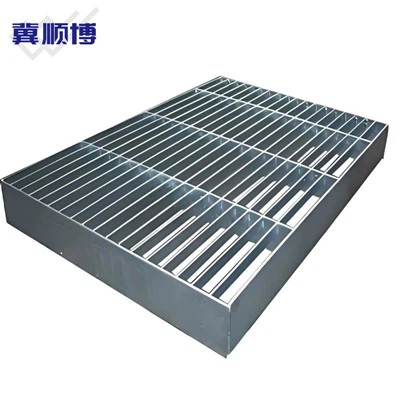
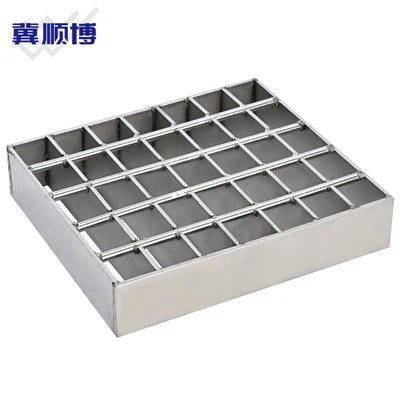
First off, what exactly is Aluminum I Bar Grating? Well, it's a type of grating made from aluminum, with bars in an "I" shape. This design gives it some unique properties that contribute to its impact resistance. You can check out more about it Aluminum I Bar Grating.
One of the key factors that affects the impact resistance of Aluminum I Bar Grating is the material itself. Aluminum is known for its strength-to-weight ratio. It's lightweight but can still handle a fair amount of stress. This means that when an impact occurs, the grating can absorb and distribute the force, reducing the risk of damage.
The shape of the "I" bars also plays a crucial role. The vertical web of the "I" shape provides additional support and stiffness. When an object hits the grating, the vertical web helps to transfer the impact force along the length of the bars, rather than concentrating it in one spot. This spreading of the force helps to prevent the bars from bending or breaking.
Another aspect to consider is the spacing between the bars. The right spacing can enhance the impact resistance. If the bars are too close together, they may not be able to flex and absorb the impact effectively. On the other hand, if the spacing is too wide, larger objects may pass through and cause more damage. Our Aluminum I Bar Grating is designed with an optimal bar spacing to balance these factors and provide good impact resistance.
Now, let's compare Aluminum I Bar Grating with other types of aluminum gratings, like Aluminum Rectangular Bar Grating and Aluminum T Bar Grating. While all these gratings have their own advantages, Aluminum I Bar Grating generally offers better impact resistance due to its unique "I" shape design. The rectangular bar grating may be more suitable for applications where a flat surface is needed, but it may not be as effective in handling high-impact situations. The T bar grating has its own set of benefits, but the "I" shape of our Aluminum I Bar Grating gives it an edge when it comes to impact resistance.


In real-world applications, the impact resistance of Aluminum I Bar Grating is put to the test. For example, in industrial settings where heavy equipment is moved around, the grating needs to withstand the constant impacts from machinery and tools. Our Aluminum I Bar Grating has been proven to hold up well in such environments. It can handle the weight and force of forklifts, pallet jacks, and other heavy equipment without significant damage.
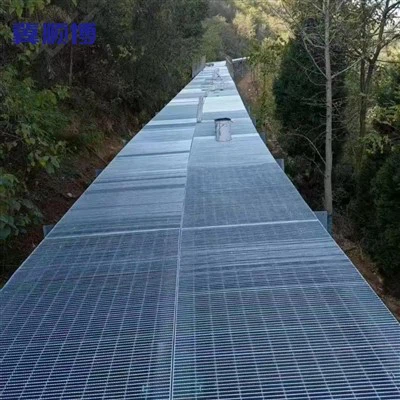
In outdoor applications, such as walkways and platforms, the grating may be exposed to various weather conditions and impacts from falling objects. The impact resistance of Aluminum I Bar Grating ensures that it remains durable and safe for use. It can resist the effects of rain, snow, and UV rays, as well as the occasional impact from debris or dropped items.
To further enhance the impact resistance of our Aluminum I Bar Grating, we use high-quality aluminum alloys. These alloys are carefully selected to provide the best combination of strength and durability. We also perform rigorous testing on our products to ensure that they meet or exceed industry standards.
So, if you're in the market for a grating that can withstand impacts, Aluminum I Bar Grating is a great choice. Whether you're looking for a solution for an industrial facility, a commercial building, or an outdoor project, our grating can provide the reliability and performance you need.
If you're interested in learning more about our Aluminum I Bar Grating or would like to discuss your specific requirements, don't hesitate to get in touch. We're here to help you find the right grating for your application.
References:
- Industry standards and research on aluminum grating properties
- In - house testing data of Aluminum I Bar Grating