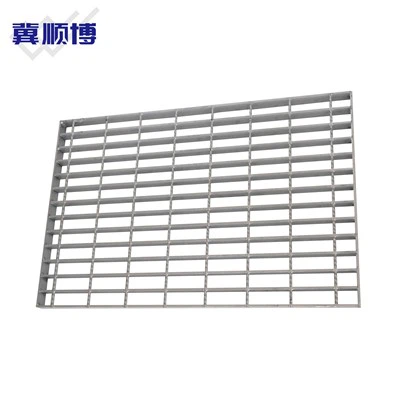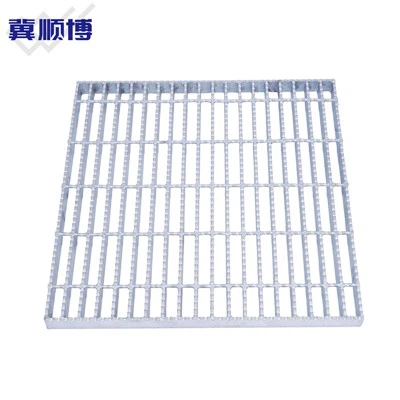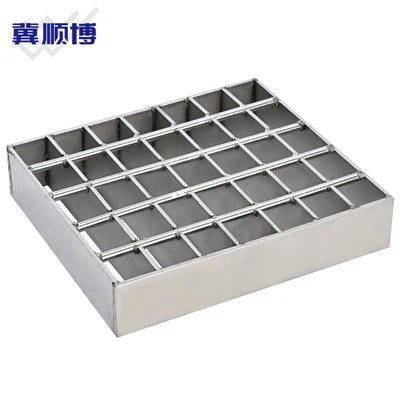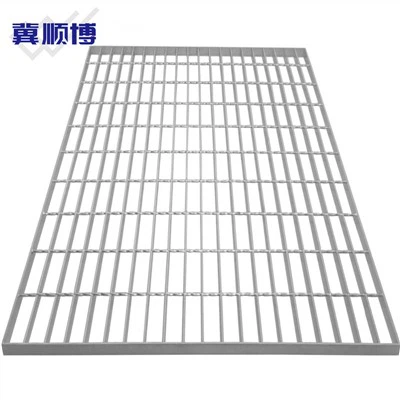
Product Overview
Fiberglass Grating, also known as FRP (Fiber Reinforced Polymer) or GRP (Glass Reinforced Plastic) Grating, is a load-bearing composite panel engineered for industrial walkways, working platforms, stair treads, and trench covers. It integrates continuous glass fiber reinforcement with a thermosetting resin matrix, providing a non-metallic solution where corrosion resistance, high moisture exposure, or electrical insulation are primary design drivers.
Fiberglass grating is supplied in molded and pultruded configurations. Selection depends on required load capacity, support span, panel dimensions, opening layouts, surface profiles, and operating environments.
Industrial procurement and engineering require looking beyond panel thickness. Resin compatibility, load direction, support spacing, concentrated loads, deflection limits, and installation parameters must be evaluated concurrently.
-
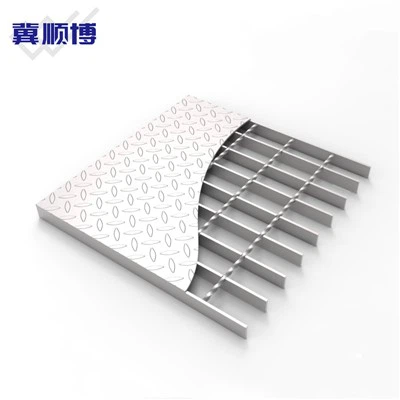
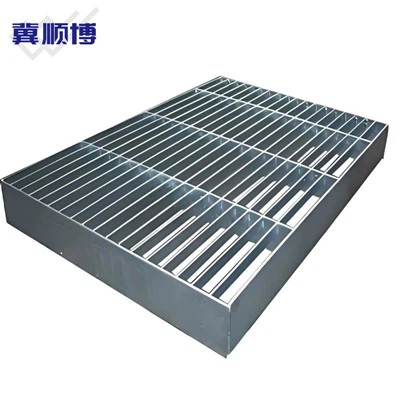
![Frp Grating]() Frp GratingFRP grating is a fiberglass reinforced plastic composite panel with grid structure, featuring corrosion resistance, light weight, high strength and long service life.. It supports custom sizes,

Resin Materials and Chemical Compatibility
The resin matrix governs chemical resistance, temperature thresholds, and fire performance. Resin selection must align with actual operating service conditions rather than generic resin naming conventions.
Isophthalic Polyester Resin
Deployed in industrial environments where chemical exposure and operating temperatures remain within standard formulation limits. Typical applications include general walkways, wastewater treatment facilities, and maintenance platforms. Compatibility with specific chemicals, concentrations, and thermal thresholds must be validated against manufacturer resistance data.
Vinyl Ester Resin
Specified for aggressive chemical environments requiring high resistance to severe acids, caustics, and organic solvents. Suitable for chemical processing plants, marine immersion, and continuous exposure up to 110 degrees Celsius. Individual formulations vary; verification is mandatory before final specification.
Phenolic Resin
Utilized where strict fire performance and low smoke emissions are mandatory, such as offshore platforms and enclosed industrial compartments. Fire ratings depend on specific resin systems and standardized test protocols.

Manufacturing methods dictate structural properties and load-bearing behaviors.
Molded Fiberglass Grating: Produced by laying glass fiber reinforcement and liquid resin into a closed mold and heat-curing under pressure. Its bi-directional reinforcement distributes loads across both principal axes. Ideal for platforms, walkways, and layouts requiring irregular shapes or on-site cutouts.
Pultruded Fiberglass Grating: Manufactured by pulling continuous glass strands through a resin bath and heated die to form high-strength structural profiles (I-bars or T-bars) assembled via cross-rods. Optimized for unidirectional high-strength performance over longer support spans.
Fiberglass grating serves open-grid access requirements across heavy industries:
Industrial Walkways and Maintenance Platforms: Access surfaces surrounding process equipment. Load calculations must account for pedestrian traffic and portable maintenance tools.
Wastewater Treatment Facilities: Walkways and service covers exposed to moisture and water treatment chemicals. Resin selection must match chemical dosing profiles.
Chemical Processing Plants: Structural flooring in areas vulnerable to metallic corrosion, requiring strict acid-alkali chemical compatibility.
Marine and Offshore Environments: Walkways and decks exposed to marine salt spray, high humidity, and structural loading requirements.
Drainage Channels and Trench Covers: Open-grid trench covers engineered for clear spans, clear drainage, and anticipated vehicle or pedestrian loads.

Technical Specifications
|
Parameter |
Molded Fiberglass Grating |
Pultruded Fiberglass Grating |
|
Manufacturing Process |
Bi-directional glass reinforcement and resin molded under pressure into an integrated panel |
Continuous reinforced resin structural profiles formed via pultrusion and mechanically assembled |
|
Panel Dimensions |
Confirm available standard panel sizes |
Confirm available standard panel sizes |
|
Thickness Options |
Confirm available thickness options |
Confirm available thickness options |
|
Mesh Openings |
Confirm required opening and available grid patterns |
Confirm required regular and mini-mesh patterns |
|
Resin Options |
Isophthalic Polyester, Vinyl Ester, Phenolic |
Isophthalic Polyester, Vinyl Ester, Phenolic |
|
Surface Profiles |
Quartz Gritted, Meniscus, Concave Smooth |
Heavy-Duty Quartz Gritted |
|
Color Options |
Standard and custom RAL colors available |
Standard and custom RAL colors available |
|
Load Capacity |
Refer to manufacturer load tables |
Refer to manufacturer load tables |
|
Fire Performance |
Confirm product-specific test results (e.g., ASTM E84) |
Confirm product-specific test results (e.g., ASTM E84) |
|
Chemical Resistance |
Verified against selected resin and service conditions |
Verified against selected resin and service conditions |
|
Compliance Standards |
ISO manufacturing and project-specific standards |
ISO manufacturing and project-specific standards |
Manufacturing and Quality Control
Quality control procedures ensure dimensional stability, structural consistency, and compliance:
Raw Material Traceability
Lot verification for incoming resin viscosity, glass sizing, and fiber weight ratios.
01
Process Control
Monitored temperature profiles and automated press cycles to guarantee complete resin polymerization and void-free panels.
02
Dimensional Inspection
Factory checks on panel thickness, squareness, diagonal tolerances, and grid uniformity.
03
Mechanical Validation
Batch-specific destructive and non-destructive load testing to confirm deflection and ultimate breaking strength.
04
Shipment Documentation
Mill Test Certificates (MTC) and dimensional inspection records supplied per agreement prior to dispatch.
05
Customization and Project Requirements
Custom fabrication must be aligned with project drawings and manufacturing capabilities:
Dimensions, cutting patterns, and equipment cutouts
Edge sealing requirements for field or factory cuts exposed to chemicals
Specialized resin formulations and custom color matching
Fastening systems and support hardware integration
For fabrication orders, submit dimensioned CAD drawings indicating cutout locations, support frameworks, and anticipated load vectors.

Request a Quote for Fiberglass Grating
To initiate a technical review and formal quotation, provide the following project details:
Product Specs: Grating type (molded or pultruded), dimensions, thickness, mesh, and surface profile.
Operating Environment: Application site, chemical exposure type and concentration, and operating temperature.
Structural Data: Support spans, UDL or concentrated loads, and deflection criteria.
Commercial Terms: Required quantity, delivery destination, and project documentation requirements.
As one of the most professional fiberglass grating manufacturers and suppliers in China, we're featured by quality products and good price. Please rest assured to buy high-grade fiberglass grating for sale here from our factory. Contact us for more details.
fiberglass safety grating, fiberglass catwalk grating, FRP Fiberglass GratingPopular Products