
Does Irregular Steel Grating Have Sound - Absorption Function?
As a supplier of Irregular Steel Grating, I often encounter various inquiries from customers about the properties and functions of our products. One question that has come up frequently is whether irregular steel grating has a sound - absorption function. In this blog, I will delve into this topic and provide a comprehensive analysis based on scientific knowledge and practical experience.
Understanding Irregular Steel Grating
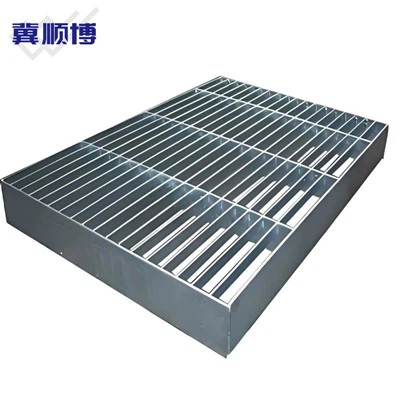
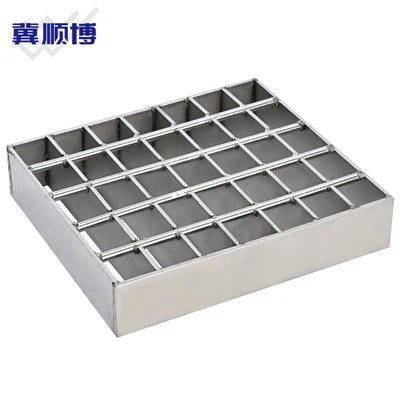
Irregular steel grating is a type of steel product with a unique and non - standard structure. It is typically made from steel bars or plates that are welded or assembled in a way that creates an open and irregular pattern. This type of grating is widely used in various industries, such as construction, manufacturing, and transportation. It can be found in walkways, platforms, and other areas where strength, durability, and drainage are important. For example, Stainless Steel Walkway Grating and Platform Grating are common applications of irregular steel grating.
The Basics of Sound Absorption
Before we discuss whether irregular steel grating can absorb sound, it is essential to understand the concept of sound absorption. Sound absorption is the process by which sound energy is converted into heat energy when it encounters a material. Materials with good sound - absorption properties usually have porous structures or complex internal geometries that can trap and dissipate sound waves.
The effectiveness of sound absorption is measured by the sound absorption coefficient, which ranges from 0 to 1. A coefficient of 0 means that the material reflects all the sound waves, while a coefficient of 1 indicates that the material absorbs all the sound waves.


Factors Affecting Sound Absorption in Irregular Steel Grating
- Structure and Geometry
- Irregular steel grating has an open and irregular structure. The open spaces between the steel bars allow sound waves to pass through rather than being absorbed. Unlike porous materials such as fiberglass or acoustic foam, which have a large number of small pores that can trap sound waves, the large open areas in irregular steel grating do not provide a suitable environment for sound absorption.
- However, the irregular shape of the grating can cause some scattering of sound waves. When sound waves hit the irregularly arranged steel bars, they are deflected in different directions. This scattering can reduce the intensity of the direct sound wave to some extent, but it is not the same as true sound absorption.
- Material Properties
- Steel is a dense and hard material. Sound waves tend to reflect off the surface of steel rather than being absorbed. The high density of steel means that it has a high impedance, which makes it difficult for sound waves to penetrate and be absorbed.
- Although steel can vibrate when exposed to sound waves, the energy dissipated through these vibrations is relatively small compared to materials specifically designed for sound absorption.
Practical Considerations in Sound - Related Applications
In some industrial settings, irregular steel grating is used in areas where noise reduction is a concern. For example, in factories or workshops, the grating may be installed on walkways or platforms near noisy machinery. While the grating itself does not have a significant sound - absorption function, it can be part of a larger noise - control system.
- Combination with Sound - Absorbing Materials
- To enhance the overall sound - reduction effect, irregular steel grating can be combined with sound - absorbing materials. For instance, a layer of acoustic foam or fiberglass can be installed underneath the grating. This way, the sound waves that pass through the open spaces of the grating can be absorbed by the underlying sound - absorbing material.
- Damping and Isolation
- In addition to sound absorption, irregular steel grating can be designed to provide some damping and isolation. By using flexible connectors or rubber pads, the vibration of the grating can be reduced, which in turn can help to reduce the noise transmitted through the structure.
Conclusion
In conclusion, irregular steel grating does not have a significant sound - absorption function on its own. Its open and dense structure makes it more of a sound - reflecting material rather than a sound - absorbing one. However, in practical applications, it can be part of a comprehensive noise - control solution. By combining it with sound - absorbing materials and implementing proper damping and isolation measures, the overall noise level in an area can be effectively reduced.
If you are interested in our Irregular Steel Grating products or have any questions about its applications, please feel free to contact us for further discussion and procurement. We are committed to providing high - quality products and professional services to meet your needs.
References
- Beranek, Leo L. "Acoustics." American Institute of Physics, 1954.
- Kinsler, Lawrence E., et al. "Fundamentals of Acoustics." John Wiley & Sons, 2000.