Product Overview
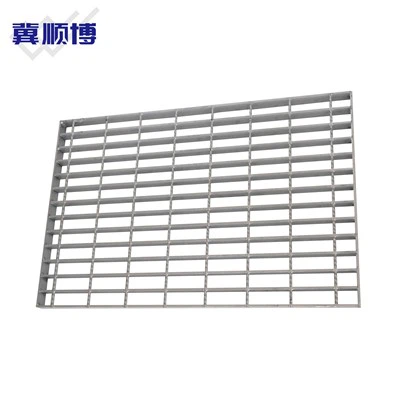
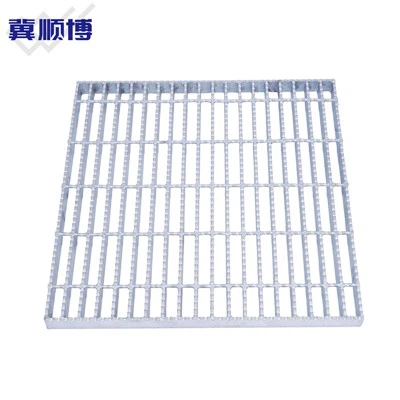
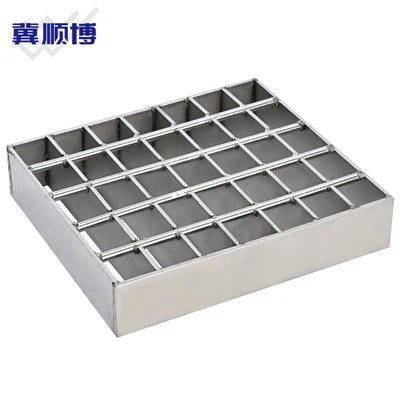
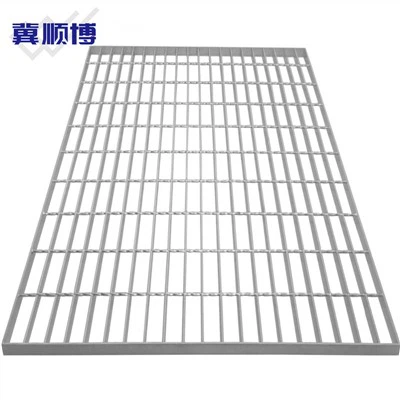
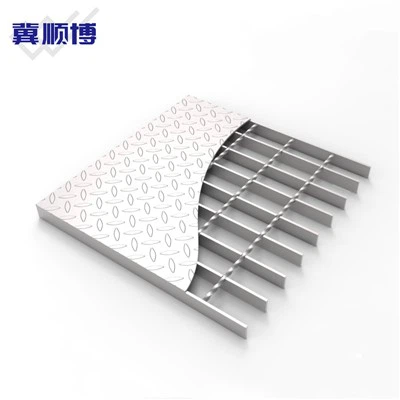
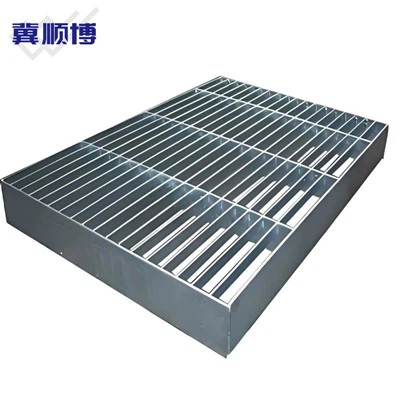
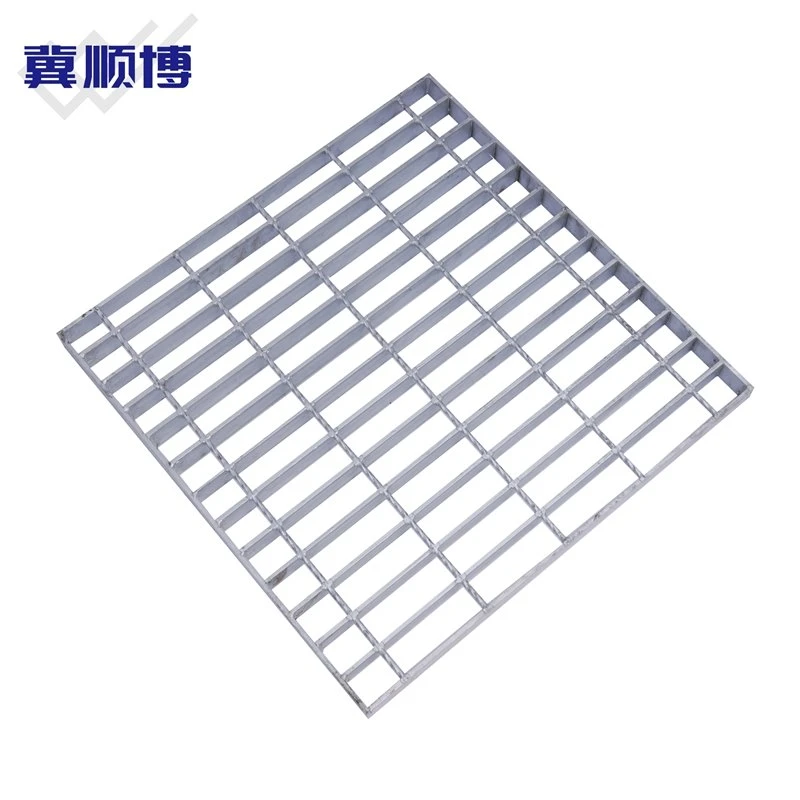
Aluminum grating is a lightweight structural flooring solution engineered for industrial walkways, access platforms, stair treads, and trench covers. Fabricated by connecting parallel bearing bars with cross bars, it forms a high-strength, open-grid panel system.
Compared to carbon steel alternatives, aluminum grating features a significantly lower material density, making it optimal for projects where panel weight, manual handling, and structural dead load are critical design factors. Its suitability for corrosive operating environments depends on the specific aluminum alloy, surface condition, surrounding media, and exposure parameters.
Primary Industrial Applications:
Industrial walkways and elevated access platforms
Equipment maintenance platforms and catwalks
Stair treads and heavy-traffic access steps
Drainage channels and trench cover systems
Water treatment facilities and chemical processing plants (subject to material compatibility assessment)
-
![Aluminum I Bar Grating]() Aluminum I Bar GratingAluminum I bar grating is a press-locked, lightweight grating solution.. It features 20-50mm bearing bar heights and 30-60mm spacings for pedestrian to light industrial loads.. Key advantages include
-
![Aluminum Rectangular Bar Grating]() Aluminum Rectangular Bar GratingAluminum rectangular bar grating is a lightweight high-strength industrial grating made of 6061-T6/6063-T5 aluminum alloy, formed by press-locked or riveted rectangular bearing bars and cross bars..
-
![Aluminum T Bar Grating]() Aluminum T Bar GratingAluminum T Bar Grating features a distinctive T shaped cross section that sets it apart from conventional rectangular bars. Its wider top flange increases the contact area with the foot, improving


Aluminum Alloy Selection
Alloys and tempers must be specified based on required mechanical properties, fabrication parameters, surface finish, and operating environments.
6063 Aluminum Alloy: Widely used for architectural and industrial extruded profiles. Suitability depends on the supplied temper, bearing bar dimensions, connection design, and project load requirements.
6061 Aluminum Alloy: Specified for high-load structural applications where mechanical strength must meet rigorous engineering design criteria.
Connection Types
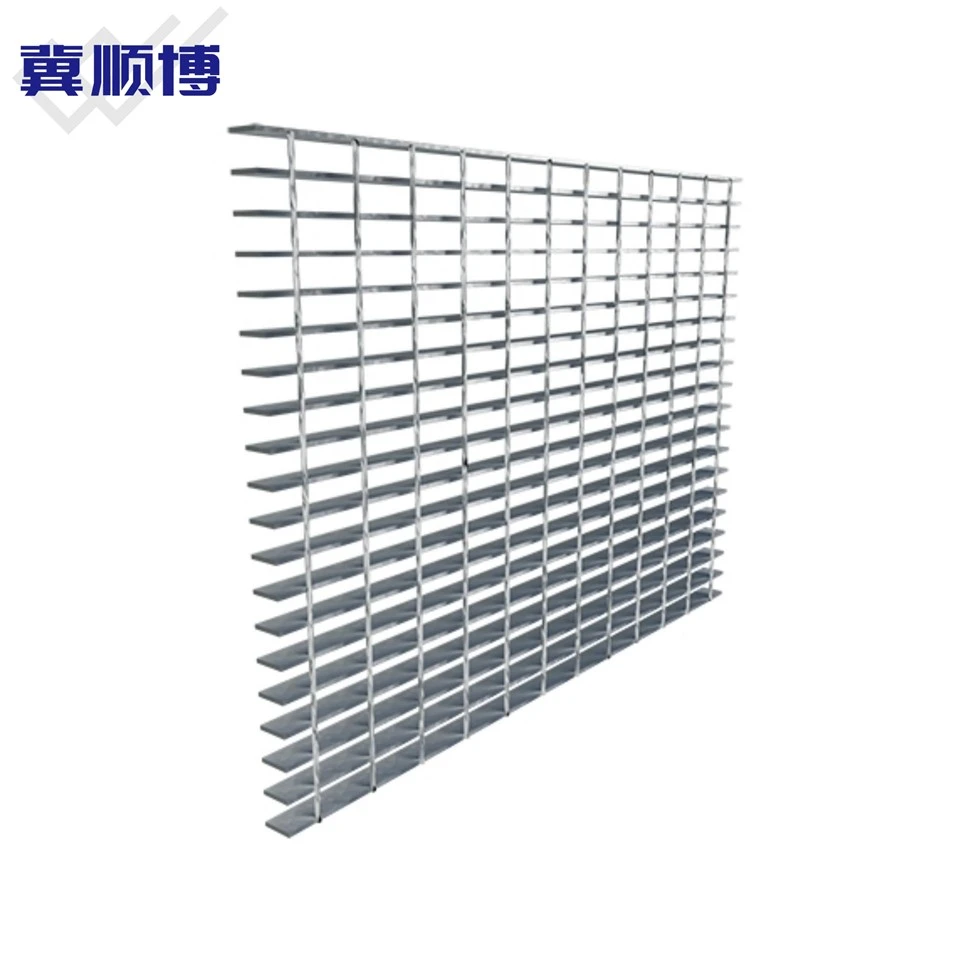
Swage-Locked Grating: Cross bars are mechanically forced and permanently locked into the bearing bars via high-pressure hydraulic deformation, delivering high lateral stability.
Press-Locked Grating: Manufactured by forcing close-tolerance cross bars into slotted bearing bars under high tonnage, presenting a clean, uniform joint geometry.
Welded Grating: Electro-forged fusion welding at each intersection creates a monolithic panel for high-impact industrial settings.
Surface Configurations
Plain Surface: Smooth-top bearing bars provide a flat walking surface for general industrial traffic and ease of maintenance.
Serrated Surface: Notched upper bearing bar profile designed to enhance grip. Suitability should be evaluated against expected surface contaminants, footwear friction, drainage, and slip-resistance mandates.
Technical Specifications and Product Selection
Successful specification requires evaluating the complete panel configuration rather than isolated dimensions.
Core Parameter Reference Table
|
Parameter |
Specification Criteria to Confirm |
|
Aluminum Alloy and Temper |
Required grade (e.g., 6063-T6, 6061-T6) |
|
Bearing Bar Depth and Thickness |
Dimensioning based on clear span and design load limits |
|
Bar Spacing |
Center-to-center bearing bar and cross bar spacing |
|
Panel Dimensions |
Overall length, width, and installation layout |
|
Surface Profile |
Plain or serrated top profile |
|
Construction Method |
Swage-locked, press-locked, or welded |
|
Surface Finish |
Mill finish, clear anodized, or protective pre-treatment |
|
Design Load and Deflection |
Uniform/concentrated load targets and allowable deflection (L/360) |
Surface Finishes
Mill Finish: Standard surface condition resulting directly from the extrusion and manufacturing process.
Anodized Finish: Electrochemical treatment forming a controlled oxide layer for enhanced corrosion and scratch resistance.
Custom Treatments: Specialized coatings or pre-treatments verified against specific environmental exposure.
Custom Fabrication and Project Requirements
Standard rectangular panels rarely fit complex industrial layouts. Custom fabrication services ensure precise on-site fit:
Cut-Outs and Panel Shaping
Precision cut-outs engineered around pipe penetrations, structural columns, and equipment pads based on approved shop drawings.
Edge Banding and Toe Plates
Edge banding welded to exposed perimeters to seal core gaps. Toe plates (kick plates) integrated along elevated platform edges to prevent loose object drop-off.
Fasteners and Installation Accessories
Grating clips and hold-down clamps supplied in compatible materials (such as 316 stainless steel).
Production is strictly executed according to approved engineering submittals and product specifications. Standard quality assurance protocols include:
Material Verification: Inspection of Mill Test Reports (MTRs) to verify alloy chemistry and temper per applicable standards (e.g., ASTM B221).
Dimensional Inspection: Verification of panel length, width, bearing bar pitch, and diagonal squareness against drawing tolerances (typically plus or minus 1.5 mm).
Connection and Fabrication Checks: Visual and structural review of cross-bar retention, cut-outs, and edge banding.
Documentation Submittal: Provision of inspection records, Certificates of Conformance, and material test certificates upon order fulfillment.

Request a Project Quotation
To initiate a technical review or request a formal quotation, please provide the following parameters:
Application and Operating Environment: (E.g., Offshore Catwalk, Wastewater Treatment, Chemical Exposure)
Material Specs: Required aluminum alloy and temper.
Configuration: Connection type, plain or serrated surface, and finish.
Dimensions and Load Criteria: Clear span, width, length, and design load targets.
Fabrication Details: Cut-outs, banding, toe plates, and fastener requirements.
Technical Drawings: Attach DWG, DXF, or PDF layout files for accurate estimation.
As one of the most professional aluminum grating manufacturers and suppliers in China, we're featured by quality products and good price. Please rest assured to buy high-grade aluminum grating for sale here from our factory. Contact us for more details.
aluminum swage locked grating, 19 sg 4 aluminum grating, Aluminum T Bar GratingPopular Products