
Hey there! As an aluminum grating supplier, I often get asked about the abrasion resistance of aluminum grating. So, let's dive right into it and figure out what makes aluminum grating resistant to abrasion.
First off, what exactly is abrasion? Abrasion is the process of wearing away a material's surface due to friction, rubbing, or scraping. When it comes to industrial applications, abrasion can be a major concern. For example, in areas with high foot traffic or where heavy equipment is constantly moving, the flooring or grating needs to be able to withstand the wear and tear.
Aluminum grating is a popular choice for many industries because of its unique properties. One of the key factors that contribute to its abrasion resistance is the material itself. Aluminum is a relatively hard and durable metal. It has a natural oxide layer on its surface, which acts as a protective barrier against abrasion. This oxide layer forms when aluminum comes into contact with oxygen in the air, and it helps to prevent the metal from being easily scratched or worn down.
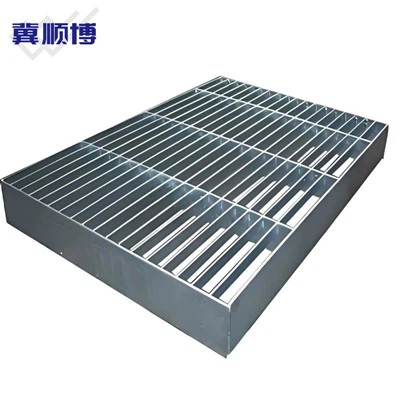
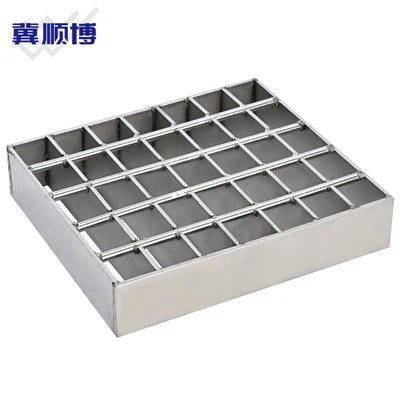
Another aspect that affects the abrasion resistance of aluminum grating is its design. There are different types of aluminum grating, such as Aluminum Rectangular Bar Grating, Aluminum I Bar Grating, and Aluminum T Bar Grating. Each type has its own design features that can impact its ability to resist abrasion.
For instance, the shape and size of the bars in the grating play a role. A grating with thicker bars is generally more resistant to abrasion than one with thinner bars. This is because the thicker bars can withstand more pressure and friction without deforming or wearing down quickly. Also, the spacing between the bars matters. A grating with closer bar spacing can provide more surface area for load distribution, which reduces the pressure on individual bars and helps to prevent excessive abrasion.
The manufacturing process also affects the abrasion resistance of aluminum grating. High - quality manufacturing techniques ensure that the grating is properly formed and the bars are firmly attached. For example, welding the bars together at the intersections creates a strong and stable structure. If the welding is done poorly, the bars may come loose over time, which can lead to increased abrasion as the grating becomes less stable.
In addition to the physical properties of the aluminum and the design of the grating, the surface treatment can also enhance its abrasion resistance. Some aluminum gratings are treated with special coatings or finishes. These coatings can add an extra layer of protection to the surface of the grating. For example, a powder - coating can make the grating more resistant to scratches and abrasion. It can also provide additional protection against corrosion, which is another factor that can affect the longevity of the grating.
Now, let's talk about some real - world applications where the abrasion resistance of aluminum grating is crucial. In factories, aluminum grating is often used as flooring in areas where workers are constantly moving heavy equipment or where there is a lot of foot traffic. The abrasion resistance of the grating ensures that it can withstand the daily wear and tear without needing frequent replacement.
In the transportation industry, aluminum grating is used in truck beds, trailers, and ship decks. These areas are subject to a lot of movement and friction, so the grating needs to be able to resist abrasion to maintain its integrity. For example, in a truck bed, the grating needs to be able to handle the weight of the cargo and the movement during transportation without getting worn out.
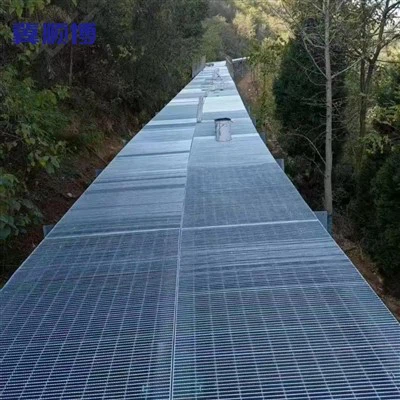
In the construction industry, aluminum grating is used in walkways, stair treads, and platforms. These areas are exposed to a variety of conditions, including foot traffic, tools being dragged across the surface, and environmental factors. The abrasion resistance of the grating helps to ensure the safety and durability of these structures.
When it comes to choosing the right aluminum grating for your application, it's important to consider the level of abrasion it will be exposed to. If you're in an area with very high abrasion, you might want to choose a grating with thicker bars, closer bar spacing, and a high - quality surface treatment. On the other hand, if the abrasion level is relatively low, a standard aluminum grating might be sufficient.
As an aluminum grating supplier, I'm here to help you find the best solution for your needs. Whether you need Aluminum Rectangular Bar Grating, Aluminum I Bar Grating, or Aluminum T Bar Grating, we have a wide range of options to choose from.
If you're interested in purchasing aluminum grating for your project, I encourage you to get in touch with us. We can provide you with detailed information about the different types of grating, their abrasion resistance properties, and how they can best suit your specific application. Our team of experts is always ready to answer your questions and help you make the right decision.
In conclusion, the abrasion resistance of aluminum grating is determined by a combination of factors, including the material properties, design, manufacturing process, and surface treatment. By understanding these factors, you can choose the right aluminum grating for your needs and ensure that it will last for a long time in your application. So, don't hesitate to reach out if you have any questions or if you're ready to start your purchase.
References


- General knowledge of aluminum properties and manufacturing processes
- Industry standards and guidelines for aluminum grating