
Hey there! As a supplier of Aluminum I Bar Grating, I've gotten a ton of questions about how this product holds up in acidic environments. So, I thought I'd break it down for you in this blog post.
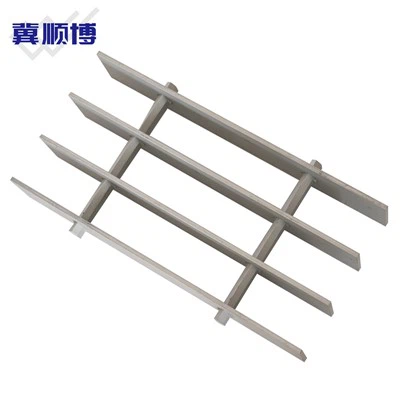
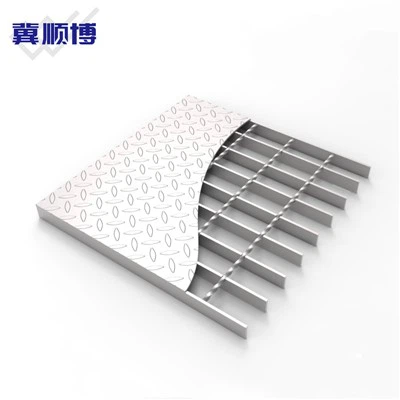
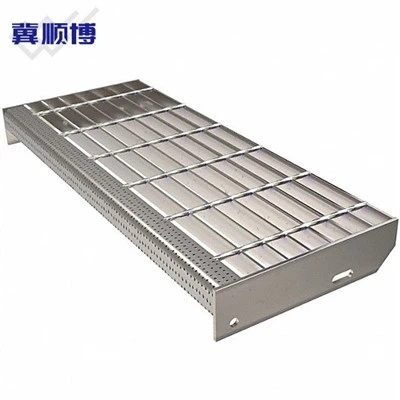
First off, let's talk a bit about Aluminum I Bar Grating. It's a popular choice for many industries because of its strength, durability, and lightweight nature. You can check out more details about it on our website here: Aluminum I Bar Grating. It's used in various applications, from industrial platforms to walkways, and even in some architectural designs.
Now, when it comes to acidic environments, things can get a bit tricky. Acids can have a pretty significant impact on different materials, and aluminum is no exception. But before we dive into how Aluminum I Bar Grating performs, let's understand a bit about the nature of acids and what they can do.
Acids are substances that release hydrogen ions when dissolved in water. They can range from weak acids, like vinegar, to strong acids, such as sulfuric acid. The strength of an acid is measured by its pH level, with lower pH values indicating stronger acids. In industrial settings, acidic environments can be found in places like chemical plants, wastewater treatment facilities, and even in some food processing plants.
So, how does Aluminum I Bar Grating fare in these acidic conditions? Well, aluminum has a natural oxide layer on its surface. This layer acts as a protective barrier, preventing further oxidation and corrosion. However, when exposed to acids, this oxide layer can be attacked.
Weak acids might not cause too much damage right away. The oxide layer can resist the acid to some extent, and as long as the exposure is limited, the grating should hold up relatively well. But if the acid is strong or the exposure is prolonged, things can start to go south.
Strong acids can dissolve the oxide layer, leaving the underlying aluminum vulnerable to corrosion. This corrosion can lead to pitting, which weakens the structure of the grating over time. The pits can also trap moisture and other contaminants, further accelerating the corrosion process.
One of the factors that affect how Aluminum I Bar Grating performs in acidic environments is the type of acid. Some acids are more corrosive than others. For example, hydrochloric acid is known to be highly corrosive to aluminum. It can quickly eat away at the oxide layer and cause significant damage to the grating.
Another factor is the concentration of the acid. Higher concentrations of acid will generally cause more severe corrosion. Even a weak acid can be damaging if it's present in high enough concentrations.
The duration of exposure also plays a crucial role. If the grating is only exposed to an acidic environment for a short period, it might not suffer too much damage. But if it's constantly in contact with the acid, the corrosion will progress over time.
Now, let's talk about some ways to protect Aluminum I Bar Grating in acidic environments. One option is to apply a protective coating. There are various types of coatings available, such as epoxy coatings, which can provide an extra layer of protection against acids. These coatings can help to prevent the acid from reaching the aluminum surface and slow down the corrosion process.
Another approach is to choose a grade of aluminum that is more resistant to corrosion. Some alloys of aluminum have better corrosion resistance than others. For example, alloys with higher levels of magnesium or manganese tend to be more resistant to acidic environments.
It's also important to regularly inspect the grating for signs of corrosion. If you notice any pitting or discoloration, it's a sign that the corrosion process has started. Taking action early can prevent further damage and extend the lifespan of the grating.
In addition to Aluminum I Bar Grating, we also offer other types of aluminum grating, such as Aluminum Rectangular Bar Grating and Aluminum T Bar Grating. These products also have their own characteristics and can be suitable for different applications in acidic environments.
If you're in the market for Aluminum I Bar Grating or any of our other products, and you have questions about how they will perform in your specific acidic environment, don't hesitate to reach out. We're here to help you make the right choice for your project. Whether you need advice on the best type of grating, protective coatings, or any other related information, we've got you covered.


Contact us to start a conversation about your requirements. We can provide you with detailed information, samples, and quotes. Let's work together to find the perfect solution for your acidic environment needs.
References
- "Corrosion of Aluminum and Aluminum Alloys" by David A. Shores
- "Handbook of Corrosion Engineering" by Pierre R. Roberge