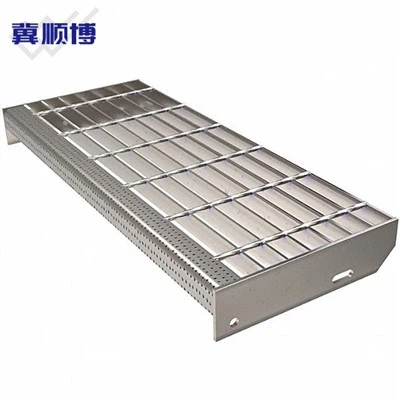

Hey there! As a supplier of Close Mesh Grating, I often get asked about the differences between heavy - duty and standard close mesh grating. So, I thought I'd write this blog to break it down for you.
Let's start with the basics. Close mesh grating is a type of grating that has a relatively small gap between the bars. It's used in a variety of applications, from industrial settings to walkways and platforms. The two main types we're talking about here are heavy - duty and standard close mesh grating.
Standard Close Mesh Grating
Standard close mesh grating is the more common type. It's designed for general - purpose use. You'll find it in places like commercial buildings, light - industrial facilities, and even some residential areas.
One of the key features of standard close mesh grating is its cost - effectiveness. It's usually less expensive than heavy - duty grating, which makes it a great choice for projects on a budget. The bars in standard close mesh grating are typically thinner and spaced a bit further apart compared to heavy - duty grating. This gives it a lighter weight, which can be an advantage in some situations, like when you're installing it in an area where weight is a concern.
The material used for standard close mesh grating is often carbon steel. Carbon steel is strong and durable, but it may require some maintenance to prevent rusting. You can also get it in different finishes, such as galvanized or painted, to increase its corrosion resistance.
Standard close mesh grating is great for areas where the load requirements are not extremely high. For example, it can be used for walkways in an office building or a small - scale industrial workshop. It provides a stable surface for people to walk on and can withstand normal foot traffic and light equipment.
Heavy - Duty Close Mesh Grating
Now, let's talk about heavy - duty close mesh grating. This type of grating is built to handle much heavier loads. It's commonly used in industrial settings where there's a lot of heavy machinery, large vehicles, or high - volume traffic.
The bars in heavy - duty close mesh grating are thicker and more closely spaced. This design allows it to distribute the weight more evenly and withstand greater pressure. For instance, in a steel mill or a port where large cranes and trucks are constantly moving around, heavy - duty close mesh grating is the go - to choice.
The material for heavy - duty close mesh grating is often high - strength steel. This steel is designed to be tough and resistant to wear and tear. It can handle the impact of heavy loads without deforming easily.
Another important aspect of heavy - duty close mesh grating is its safety features. The closer spacing of the bars reduces the risk of small objects falling through, which is crucial in areas where there are moving parts or where people could be injured by falling debris.
Key Differences
- Load - Bearing Capacity: The most obvious difference is the load - bearing capacity. Heavy - duty close mesh grating can handle much heavier loads than standard close mesh grating. If you're in an industrial environment with heavy machinery, you'll definitely need the heavy - duty option.
- Cost: As mentioned earlier, standard close mesh grating is generally more affordable. If your project doesn't require a high load - bearing capacity, you can save some money by choosing the standard type.
- Thickness and Spacing of Bars: Heavy - duty grating has thicker bars and closer spacing, while standard grating has thinner bars and wider spacing. This affects not only the load - bearing capacity but also the weight of the grating.
- Application: Standard close mesh grating is suitable for light - to - medium - duty applications, while heavy - duty grating is for heavy - duty industrial applications.
Types of Close Mesh Grating
There are different types of close mesh grating available, and each has its own characteristics.
- Riveted Grating: Riveted grating is made by riveting the cross - bars to the bearing bars. This type of grating is strong and can be used in both standard and heavy - duty applications. It's known for its stability and durability.
- Rectangular Bar Grating: Rectangular bar grating has rectangular - shaped bars. It offers a smooth surface and is easy to clean. It can be used in a variety of applications, from industrial floors to decorative walkways.
- Serrated Carbon Steel Bar Grating: Serrated carbon steel bar grating has a serrated surface, which provides better traction. This makes it a great choice for areas where slip resistance is important, such as wet or oily environments.
Why Choose Us as Your Close Mesh Grating Supplier
As a close mesh grating supplier, we have a wide range of products to meet your needs. Whether you need standard close mesh grating for a small project or heavy - duty grating for an industrial facility, we've got you covered.
We offer high - quality products at competitive prices. Our team of experts can help you choose the right type of grating for your specific application. We also provide installation support and after - sales service to ensure that you're satisfied with your purchase.
If you're in the market for close mesh grating, don't hesitate to get in touch with us. We're here to answer all your questions and help you find the perfect solution for your project. Whether it's for a new construction or a renovation, we can provide the right grating to meet your requirements.
Conclusion
In conclusion, understanding the difference between heavy - duty and standard close mesh grating is crucial when choosing the right product for your project. Standard close mesh grating is cost - effective and suitable for light - to - medium - duty applications, while heavy - duty close mesh grating is designed to handle heavy loads in industrial settings.


If you have any questions about our close mesh grating products or need help choosing the right one for your project, feel free to contact us. We're always happy to assist you.
References
- Steel Grating Handbook, [Publisher Name]
- Industrial Grating Standards, [Organization Name]