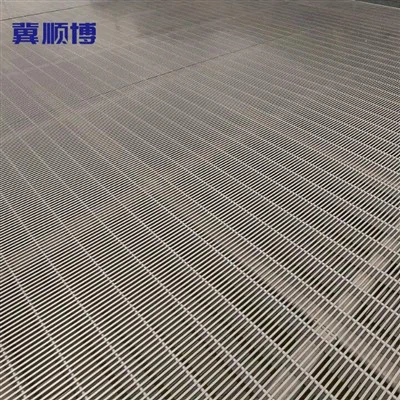

As a supplier of park walkway grating, one of the most frequently asked questions I encounter is whether park walkway grating has a non - slip surface. This is a crucial consideration, especially in park settings where safety is of utmost importance. In this blog, I'll delve into the topic, exploring the factors related to non - slip surfaces in park walkway grating.
Understanding the Need for Non - Slip Surfaces in Parks
Parks are public spaces that attract a diverse range of visitors, from young children playing to elderly people taking a leisurely stroll. The walkways in parks are often exposed to various weather conditions, such as rain, snow, and dew. These elements can make the surface of the walkway slippery, increasing the risk of falls and injuries. A non - slip surface on park walkway grating can significantly reduce this risk, providing a safer environment for everyone.
Types of Park Walkway Grating and Their Non - Slip Features
Close Mesh Grating
Close Mesh Grating is a popular choice for park walkways. Close Mesh Grating has a fine grid pattern that offers several advantages in terms of non - slip performance. The small openings in the grating provide more surface area for contact with shoes, increasing friction. Additionally, the close - knit design helps to trap small particles of dirt and debris, which can also enhance the non - slip properties. When water or other liquids are present, the close mesh structure allows for better drainage, preventing the formation of a slippery film on the surface.
Painted Steel Grating
Painted Steel Grating can also be a good option for park walkways. The paint can be applied with a special non - slip additive. This additive creates a rough texture on the surface of the grating, increasing the coefficient of friction. Moreover, the paint can protect the steel from corrosion, ensuring the longevity of the grating. However, it's important to note that the non - slip properties of painted steel grating may degrade over time due to wear and tear, and periodic re - painting may be required.
Welded Steel Grating
Welded Steel Grating is known for its strength and durability. It can be designed with a non - slip surface in several ways. One common method is to add serrated bars to the grating. The serrations create a rough surface that provides excellent traction, even when the grating is wet. Another approach is to use a special surface treatment on the welded steel, such as grit blasting or the application of a non - slip coating. These treatments can significantly improve the non - slip performance of the grating.
Factors Affecting the Non - Slip Performance of Park Walkway Grating
Surface Texture
The texture of the grating surface plays a vital role in its non - slip performance. A rough texture provides more friction between the shoe and the grating, reducing the likelihood of slipping. Manufacturers can create different textures through various methods, such as embossing, serrating, or applying a non - slip coating.
Material Properties
The material of the grating also affects its non - slip properties. For example, some materials may absorb water more easily, which can lead to a slippery surface. On the other hand, materials with good drainage properties can help to keep the surface dry and reduce the risk of slipping. Additionally, the hardness and abrasion resistance of the material can impact the longevity of the non - slip surface.
Environmental Conditions
The environment in which the park walkway is located can have a significant impact on the non - slip performance of the grating. In areas with high humidity or frequent rainfall, the grating may be more prone to becoming slippery. In such cases, it's important to choose a grating with excellent drainage and non - slip features. Extreme temperatures can also affect the performance of the grating. For example, in cold weather, ice and snow can accumulate on the surface, making it slippery. Gratings with anti - icing properties or those that can be easily cleared of snow may be more suitable in these conditions.
Testing the Non - Slip Performance of Park Walkway Grating
To ensure the safety of park visitors, it's essential to test the non - slip performance of the grating. There are several standard tests available, such as the Pendulum Test, which measures the coefficient of friction of a surface. The higher the coefficient of friction, the better the non - slip performance. Manufacturers can conduct these tests during the production process to ensure that their gratings meet the required safety standards.
Maintaining the Non - Slip Surface of Park Walkway Grating
Proper maintenance is crucial for maintaining the non - slip surface of park walkway grating. Regular cleaning can remove dirt, debris, and other substances that may reduce the friction of the surface. For painted steel grating, re - painting at regular intervals can help to maintain the non - slip properties. Additionally, inspecting the grating for any signs of damage or wear and tear is important. If the non - slip surface is damaged, it should be repaired or replaced promptly to ensure the safety of park visitors.


Conclusion
In conclusion, park walkway grating can have a non - slip surface, and there are several types of grating available that offer excellent non - slip performance. Close Mesh Grating, Painted Steel Grating, and Welded Steel Grating are all viable options, each with its own unique features and benefits. When choosing park walkway grating, it's important to consider factors such as surface texture, material properties, and environmental conditions. By selecting the right grating and maintaining it properly, we can provide a safe and enjoyable experience for park visitors.
If you're interested in purchasing park walkway grating with a non - slip surface, we'd be more than happy to assist you. Contact us to discuss your specific requirements and get a quote. We look forward to working with you to create a safe and beautiful park environment.
References
- ASTM International. (2023). Standard test methods for slip resistance using a pendulum tester.
- National Building Code. (2023). Safety requirements for public walkways.