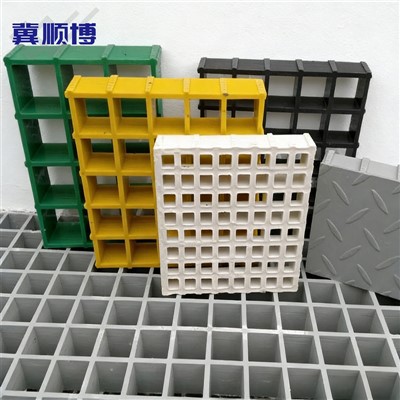

As a supplier of press welded grating, I've been in the business long enough to know that the spacing of bearing bars is a crucial factor that affects the stability of the grating. In this blog, I'll share my insights on how the spacing of bearing bars impacts the stability of press welded grating.
Understanding Press Welded Grating
Press welded grating is a type of grating that is made by passing a series of bearing bars through a press-welding machine. Cross bars are then welded perpendicular to the bearing bars at regular intervals. This process creates a strong and durable grating that is widely used in various industries, including construction, manufacturing, and transportation.
The Role of Bearing Bars
Bearing bars are the primary load-bearing components of press welded grating. They are responsible for supporting the weight of the load placed on the grating. The size, shape, and spacing of the bearing bars all play a role in determining the strength and stability of the grating.
How Spacing Affects Stability
The spacing of bearing bars is a critical factor that affects the stability of press welded grating. Here's how:
Load Distribution
The spacing of bearing bars determines how the load is distributed across the grating. When the bearing bars are closely spaced, the load is distributed more evenly across the grating. This reduces the stress on individual bearing bars and helps to prevent cracking or bending. On the other hand, if the bearing bars are widely spaced, the load is concentrated on fewer bearing bars, which can lead to increased stress and potential failure.
Deflection
The spacing of bearing bars also affects the deflection of the grating. Deflection is the amount that the grating bends or sags under a load. When the bearing bars are closely spaced, the grating is more rigid and less likely to deflect. This is because the closely spaced bars provide more support and resistance to bending. Conversely, if the bearing bars are widely spaced, the grating is more flexible and more likely to deflect under a load.
Safety
The spacing of bearing bars also has implications for safety. In applications where people or vehicles are likely to walk or drive on the grating, closely spaced bearing bars can provide a more secure surface. This is because the smaller gaps between the bars reduce the risk of objects or feet getting caught in the grating, which can cause trips or falls.
Different Spacing Options
Press welded grating is available in a variety of bearing bar spacings, typically ranging from 19mm to 100mm. The choice of spacing depends on the specific application and the load requirements.
Narrow Spacing
Narrowly spaced bearing bars, such as 19mm or 25mm, are often used in applications where high strength and stability are required. These spacings are common in industrial settings, such as factories and warehouses, where heavy equipment and machinery are present. Narrowly spaced bearing bars can also be used in pedestrian areas to provide a safe and secure walking surface.
Wide Spacing
Widely spaced bearing bars, such as 50mm or 100mm, are often used in applications where drainage or ventilation is important. These spacings allow for the easy passage of water, air, and debris, making them suitable for outdoor applications, such as Rectangular Bar Grating in parks or Park Walkway Grating. However, it's important to note that widely spaced bearing bars may not be as strong or stable as narrowly spaced bars, so they may not be suitable for applications where heavy loads are expected.
Galvanized Steel Bar Grating
One popular type of press welded grating is Galvanized Steel Bar Grating. Galvanized steel is coated with a layer of zinc to protect it from corrosion. This makes galvanized steel bar grating ideal for outdoor applications, where it is exposed to the elements. The spacing of the bearing bars in galvanized steel bar grating can also affect its stability and performance.
Making the Right Choice
When choosing press welded grating, it's important to consider the spacing of the bearing bars in relation to the specific application. Here are some tips to help you make the right choice:


- Understand the Load Requirements: Determine the maximum load that the grating will need to support. This will help you choose the appropriate bearing bar spacing and size.
- Consider the Application: Think about where the grating will be used. If it's in a high-traffic area or where heavy loads are expected, narrowly spaced bearing bars may be more suitable. If drainage or ventilation is important, widely spaced bearing bars may be a better choice.
- Consult with an Expert: If you're unsure which bearing bar spacing is right for your application, don't hesitate to consult with an expert. As a press welded grating supplier, I'm always happy to provide advice and guidance to help you make the best decision.
Conclusion
The spacing of bearing bars in press welded grating plays a crucial role in its stability and performance. By understanding how the spacing affects load distribution, deflection, and safety, you can make an informed decision when choosing the right grating for your application. Whether you need Rectangular Bar Grating, Galvanized Steel Bar Grating, or Park Walkway Grating, I'm here to help. If you have any questions or would like to discuss your specific needs, feel free to reach out. We can work together to find the perfect press welded grating solution for your project.
References
- "Steel Grating Design Manual," American Institute of Steel Construction.
- "Grating Handbook," Grating Manufacturers Association.