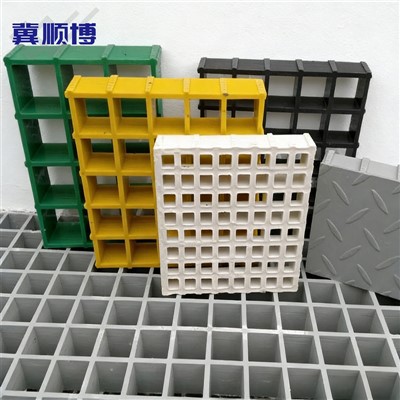

Swage locked grating is a popular choice in various industrial and commercial applications due to its durability, strength, and versatility. One of the critical questions that often arises is whether swage locked grating is fire-resistant. As a supplier of swage locked grating, I am well - versed in the properties of this product and can provide in - depth insights into its fire - resistance capabilities.
Understanding Swage Locked Grating
Swage locked grating is a type of metal grating formed by pressing cross bars into pre - punched bearing bars. This process creates a strong and rigid structure that can withstand heavy loads. It is commonly made from materials such as carbon steel, stainless steel, and aluminum. Each material has its own set of properties, which can influence the fire - resistance of the grating.
Fire - Resistance Factors
-
Material Composition
- Carbon Steel: Carbon steel is a widely used material for swage locked grating. In terms of fire - resistance, carbon steel has a relatively high melting point, typically around 1370 - 1510°C. However, when exposed to high - temperature fires, carbon steel can lose its strength. As the temperature rises, the steel begins to expand, and its mechanical properties change. Prolonged exposure to fire can cause the steel to deform and eventually fail.
- Stainless Steel: Stainless steel is another popular choice for swage locked grating. It contains chromium, which forms a protective oxide layer on the surface. This layer helps to prevent corrosion and also enhances the fire - resistance of the material. Stainless steel has a higher melting point than carbon steel, usually around 1400 - 1450°C. It can maintain its strength and structural integrity at higher temperatures compared to carbon steel.
- Aluminum: Aluminum has a relatively low melting point, around 660°C. This means that it is more susceptible to damage in a fire compared to steel. However, aluminum has excellent heat - dissipating properties, which can help to reduce the spread of fire in some cases.
-
Coatings and Treatments
- Applying fire - resistant coatings to swage locked grating can significantly improve its fire - resistance. These coatings are designed to insulate the metal from the heat of the fire, reducing the rate of temperature increase and preventing the metal from reaching its melting point. Some coatings can also release fire - suppressing gases when heated, further enhancing the fire - protection capabilities of the grating.
-
Design and Structure
- The design of the swage locked grating can also affect its fire - resistance. Gratings with a more open structure allow for better air circulation, which can help to reduce the build - up of heat. Additionally, the spacing between the bearing bars and cross bars can impact the spread of fire. A well - designed grating can prevent the fire from spreading quickly across the surface.
Testing and Certification
To determine the fire - resistance of swage locked grating, it is essential to conduct proper testing. There are several international standards for fire - resistance testing, such as the ASTM E119 and BS 476. These tests evaluate the ability of the grating to withstand fire for a specified period without losing its structural integrity.


If a swage locked grating meets the requirements of these standards, it can be certified as fire - resistant. This certification provides assurance to customers that the grating will perform as expected in a fire situation.
Applications and Fire - Resistance Requirements
- Industrial Applications
- In industrial settings such as factories, refineries, and power plants, fire - resistance is of utmost importance. Swage locked grating is often used in these environments for walkways, platforms, and stair treads. In areas where there is a high risk of fire, such as near furnaces or chemical storage areas, fire - resistant grating is essential to ensure the safety of workers and the protection of equipment.
- Commercial Applications
- In commercial buildings, swage locked grating can be used for decorative purposes as well as for functional applications such as drainage covers. Fire - resistant grating is required in areas where there is a high occupancy, such as shopping malls, airports, and hotels. It helps to prevent the spread of fire and provides a safe means of evacuation.
Comparing with Other Grating Types
- Dense Steel Grating
- Dense steel grating, as described on Dense Steel Grating, has a different structure compared to swage locked grating. The closer spacing of the bars in dense steel grating can affect its fire - resistance. While it may provide better support for heavy loads, the reduced air circulation can lead to a higher build - up of heat in a fire situation.
- Stainless Steel Gully Grating
- Stainless Steel Gully Grating is often used for drainage purposes. Similar to swage locked grating, its fire - resistance depends on the material and any coatings applied. However, the design of gully grating, which is focused on drainage, may have different fire - behavior compared to swage locked grating used for walkways or platforms.
- Press Welded Steel Grating
- Press Welded Steel Grating is another type of grating. The welding process used in press - welded grating can affect its fire - resistance. Welds can be a weak point in a fire, as they may lose their strength at high temperatures. Swage locked grating, on the other hand, has a different manufacturing process that may provide better fire - resistance in some cases.
Conclusion
In conclusion, swage locked grating can be fire - resistant, depending on the material, coatings, and design. Carbon steel and stainless steel are commonly used materials, with stainless steel generally offering better fire - resistance due to its higher melting point and protective oxide layer. Coatings and treatments can further enhance the fire - resistance of the grating.
If you are considering using swage locked grating in an application where fire - resistance is a concern, it is important to choose the right material and ensure that it meets the relevant fire - resistance standards. As a supplier of swage locked grating, I can provide you with detailed information about the fire - resistance properties of our products and help you select the most suitable grating for your needs.
If you are interested in purchasing swage locked grating or have any questions about its fire - resistance, please feel free to contact us for further discussion and to start the procurement process.
References
- ASTM E119 - Standard Test Methods for Fire Tests of Building Construction and Materials.
- BS 476 - Fire tests on building materials and structures.