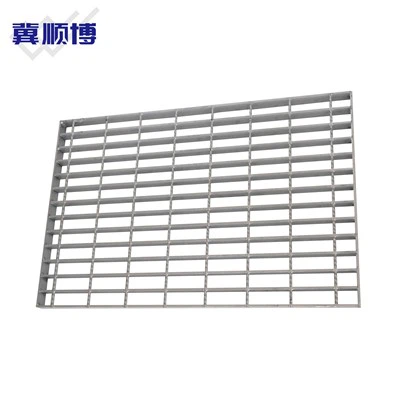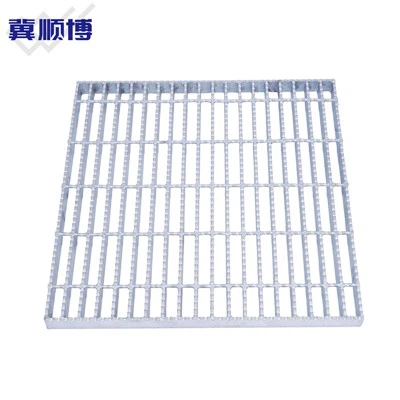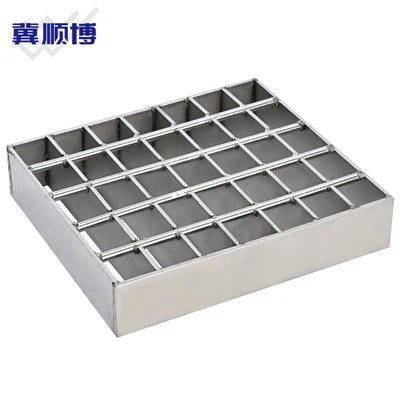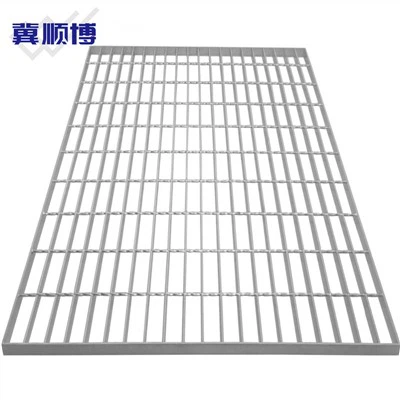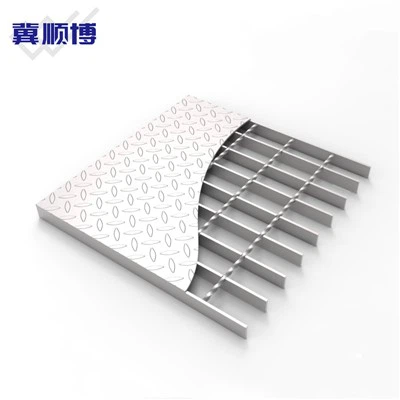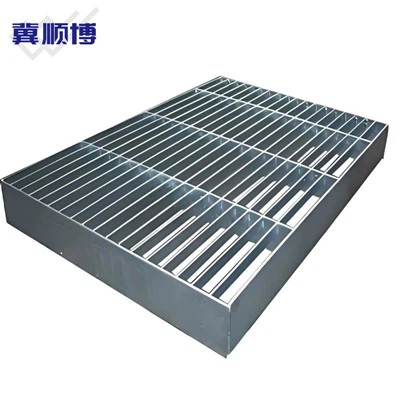
Bearing-bar spacing is one of the basic specifications to confirm when selecting walkway grating. Two common options are 30 mm and 40 mm spacing. The choice affects the number of bearing bars used across the panel and should be considered together with load, support span, panel size, and installation conditions.
With 30 mm spacing, the bearing bars are positioned closer together. This arrangement can be used for factory platforms, maintenance walkways, power facilities, and other access areas where the design requires a denser bearing-bar layout. The final specification still depends on bearing-bar dimensions and the actual load conditions.
With 40 mm spacing, fewer bearing bars are used across the same panel width. This reduces the amount of steel in the panel and can reduce panel weight. It may be considered for walkway sections with smaller spans or lower load requirements, provided the selected bearing-bar size and support arrangement meet the project design.
Spacing should not be selected by itself. Cross-bar spacing, bearing-bar thickness and depth, support distance, surface treatment, and fixing method also influence the finished grating specification. Wet or oily locations may use a serrated surface, while outdoor carbon steel grating may use hot-dip galvanizing for corrosion protection.
Before ordering galvanized walkway grating, confirm the support span, expected load, panel dimensions, and installation environment. Then select 30 mm or 40 mm bearing-bar spacing as part of the complete grating specification.