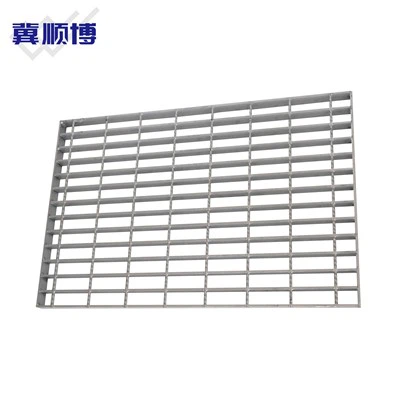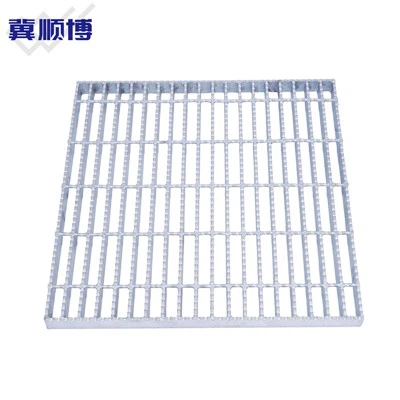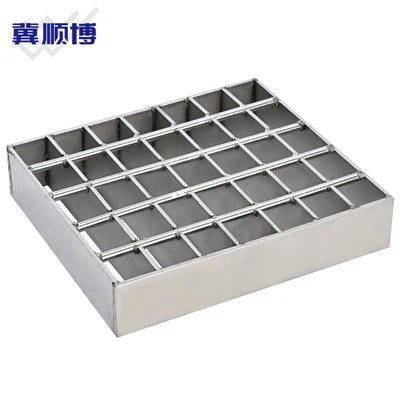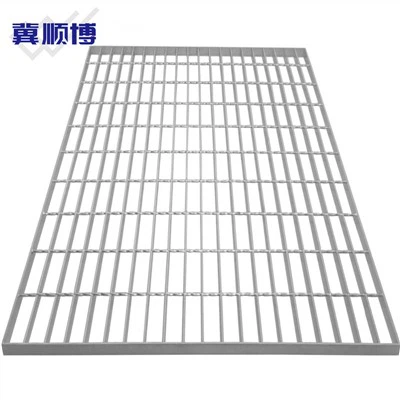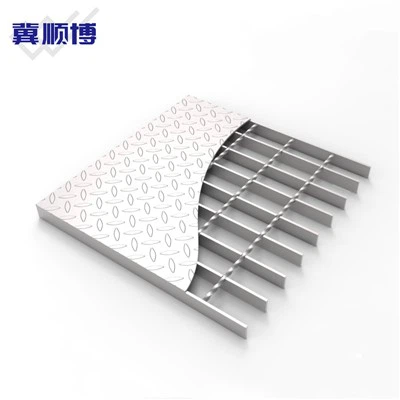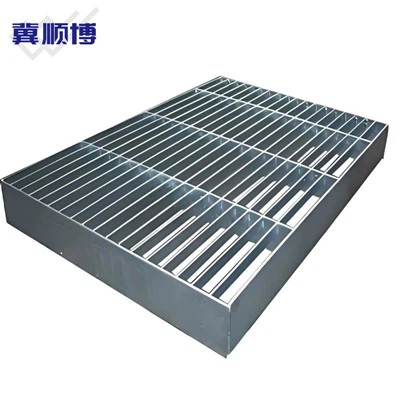
Wet floors, rain, oil, and process residue can affect footing on industrial walkways. In these areas, the walking surface should provide contact points for footwear while allowing water and small debris to pass through. Serrated grating combines a toothed bearing-bar surface with an open-grid structure for this type of walkway design.
The serrated bearing bars create raised edges across the walking surface. This structure is used on platforms, access routes, docks, and maintenance walkways where moisture or process materials may be present. The open-grid layout also allows water to drain through the panel instead of remaining on a closed surface.
For carbon steel grating installed outdoors or in humid areas, hot-dip galvanizing is commonly used as a surface treatment for corrosion protection. Panel selection should also consider bearing-bar size, bearing-bar spacing, support span, expected load, and the direction of travel.
Fixing methods depend on maintenance and access requirements. Welded fixing can be used for permanent sections, while removable sections can use grating clips when periodic access below the walkway is required. Areas near equipment or vibration sources also need suitable fixing points to limit panel movement.
For wet industrial walkways, serrated surface design, drainage, corrosion protection, load conditions, and installation method should be considered together. These factors help determine whether galvanized serrated grating matches the requirements of a specific access route.