
Yo, what's up everyone! I'm a supplier of Press Welded Grating, and today I wanna talk about the modulus of elasticity of press welded grating. It's a pretty important concept in the world of engineering and construction, and it can have a big impact on the performance and durability of our products.
So, what exactly is the modulus of elasticity? Well, in simple terms, it's a measure of how much a material will stretch or compress when a force is applied to it. It's like a spring - the stiffer the spring, the less it will stretch when you pull on it. The modulus of elasticity is expressed in units of pressure, like pounds per square inch (psi) or pascals (Pa).
For press welded grating, the modulus of elasticity is a key factor in determining its strength and stiffness. A higher modulus of elasticity means that the grating will be less likely to deform or bend under load, which is important for applications where the grating needs to support heavy weights or withstand high levels of stress.
There are a few different factors that can affect the modulus of elasticity of press welded grating. One of the most important is the material that the grating is made from. Different materials have different moduli of elasticity, so choosing the right material for your application is crucial. For example, steel is a popular choice for press welded grating because it has a relatively high modulus of elasticity, which makes it strong and durable.
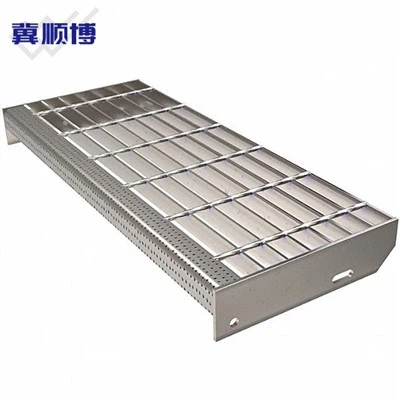
Another factor that can affect the modulus of elasticity is the manufacturing process. Press welded grating is made by welding cross bars to bearing bars at specific intervals, and the quality of the welding can have a big impact on the overall strength and stiffness of the grating. If the welding is not done properly, the grating may be more likely to deform or break under load.
So, how do we measure the modulus of elasticity of press welded grating? Well, there are a few different methods that can be used, but one of the most common is the tensile test. In a tensile test, a sample of the grating is placed in a testing machine and pulled until it breaks. The amount of force required to break the sample is measured, and this information is used to calculate the modulus of elasticity.
It's important to note that the modulus of elasticity is just one of many factors that need to be considered when choosing press welded grating for a specific application. Other factors, such as the load capacity, the corrosion resistance, and the appearance of the grating, also need to be taken into account.
Now, let's talk about some of the different types of press welded grating that we offer. We have a wide range of products to choose from, including Park Walkway Grating, Light Duty Steel Grating, and Plugged Steel Grating.
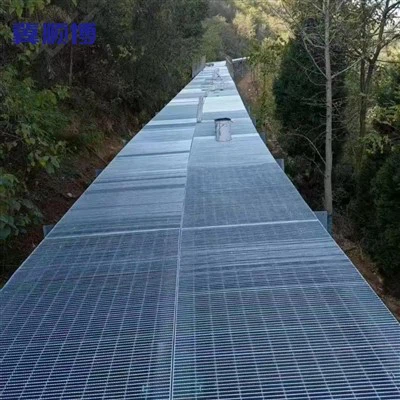
Park Walkway Grating is a great choice for outdoor applications, such as parks, sidewalks, and walkways. It's made from high-quality steel and is designed to be both strong and durable. The grating has a non-slip surface, which makes it safe to walk on even in wet conditions.
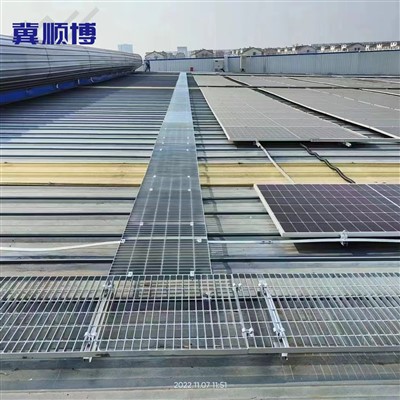
Light Duty Steel Grating is a lighter-weight option that is ideal for applications where the load capacity is not as high. It's often used in industrial settings, such as factories and warehouses, as well as in commercial buildings.
Plugged Steel Grating is a type of grating that has small holes or plugs in the surface. This type of grating is often used in applications where there is a need to prevent small objects from falling through the grating, such as in food processing plants or pharmaceutical facilities.


If you're interested in learning more about our press welded grating products or have any questions about the modulus of elasticity, please don't hesitate to contact us. We're here to help you find the right product for your specific needs and can provide you with all the information you need to make an informed decision.
In conclusion, the modulus of elasticity is an important concept in the world of press welded grating. It's a measure of how much a material will stretch or compress when a force is applied to it, and it can have a big impact on the strength and stiffness of the grating. By understanding the factors that affect the modulus of elasticity and choosing the right material and manufacturing process, you can ensure that your press welded grating will perform well and last for many years to come.
References
- "Materials Science and Engineering: An Introduction" by William D. Callister Jr. and David G. Rethwisch
- "Mechanical Engineering Design" by Joseph E. Shigley and Charles R. Mischke
- "Structural Steel Design" by William T. Segui