
Hey there! As a plug grating supplier, I often get asked about the heat transfer property of plug grating. It's a pretty important topic, especially when it comes to applications where temperature control matters. So, let's dive right in and explore what makes plug grating tick in terms of heat transfer.
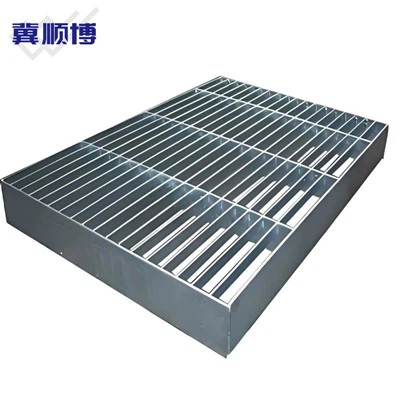
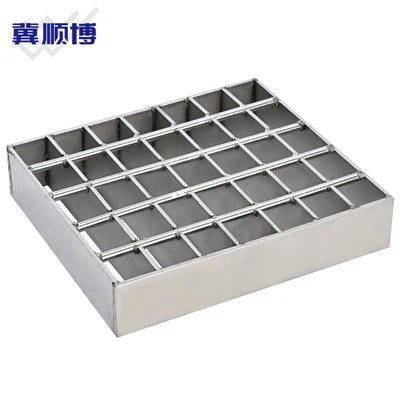
First off, what exactly is plug grating? Well, it's a type of grating that's made up of individual bars or panels that are welded or locked together. These bars are usually made of materials like steel or stainless steel, which are known for their durability and strength. Plug grating is commonly used in industrial settings, walkways, and drainage systems.
Now, let's talk about heat transfer. Heat transfer is the process of moving heat from one place to another. There are three main ways that heat can be transferred: conduction, convection, and radiation.
Conduction is the transfer of heat through a solid material. When it comes to plug grating, the material of the bars plays a big role in how well heat is conducted. Metals like steel and stainless steel are good conductors of heat. This means that they can quickly transfer heat from one part of the grating to another. For example, if one end of the plug grating is exposed to a hot surface, the heat will conduct through the bars and spread out across the grating.
Convection, on the other hand, is the transfer of heat through a fluid (like air or water). When air or water flows over the surface of the plug grating, it can carry away heat. This is why plug grating is often used in applications where ventilation is important. For instance, in industrial settings, plug grating can help to dissipate heat by allowing air to flow through the gaps in the grating.
Radiation is the transfer of heat through electromagnetic waves. All objects emit and absorb radiation, and the amount of radiation they emit depends on their temperature. Plug grating can both emit and absorb radiation, which can affect its heat transfer properties. For example, if the plug grating is exposed to a high-temperature source, it will absorb the radiation and heat up.
The heat transfer property of plug grating also depends on its design. The spacing between the bars, the thickness of the bars, and the overall structure of the grating can all impact how well heat is transferred. A grating with wider gaps between the bars will allow more air to flow through, which can enhance convection and improve heat dissipation. On the other hand, a grating with thicker bars may have better conduction properties.
Let's take a look at some of the applications where the heat transfer property of plug grating is crucial. In industrial settings, plug grating is often used in areas where there is a lot of heat generated, such as near furnaces or machinery. The grating can help to prevent the build-up of heat by allowing air to circulate and carry away the heat. This can improve the working conditions for employees and also prevent damage to equipment.
In drainage systems, plug grating can play an important role in heat transfer. When water flows through the grating, it can carry away heat from the surrounding environment. This can be especially useful in areas where there is a lot of heat, such as in a power plant or a chemical factory.
Another application where plug grating's heat transfer property is important is in walkways. In areas where the surface temperature can get very high, such as in a parking lot or a factory floor, plug grating can help to reduce the heat. The grating allows air to flow through, which can cool the surface and make it more comfortable to walk on.
Now, if you're in the market for plug grating, we offer a variety of options. We have Irregular Steel Grating, which is great for applications where a unique or custom design is needed. Our Heavy Duty Stainless Steel Grating is perfect for heavy traffic areas and can withstand a lot of wear and tear. And our Stainless Steel Gully Grating is ideal for drainage systems.


If you're interested in learning more about our plug grating products or have any questions about heat transfer properties, feel free to reach out to us. We're here to help you find the right solution for your needs. Whether you're an industrial facility, a construction company, or a homeowner, we can provide you with high-quality plug grating that meets your requirements.
In conclusion, the heat transfer property of plug grating is an important factor to consider when choosing the right grating for your application. By understanding how heat is transferred through conduction, convection, and radiation, you can make an informed decision about which type of grating is best for you. And if you're looking for a reliable plug grating supplier, we're here to assist you. So, don't hesitate to contact us and start the conversation about your plug grating needs.
References
- Incropera, F. P., & DeWitt, D. P. (2002). Fundamentals of Heat and Mass Transfer. John Wiley & Sons.
- Holman, J. P. (2002). Heat Transfer. McGraw-Hill.