
Hey there! As a supplier of rectangular bar grating, I often get asked about the difference between welded and riveted rectangular bar grating. So, I thought I'd take a few minutes to break it down for you.
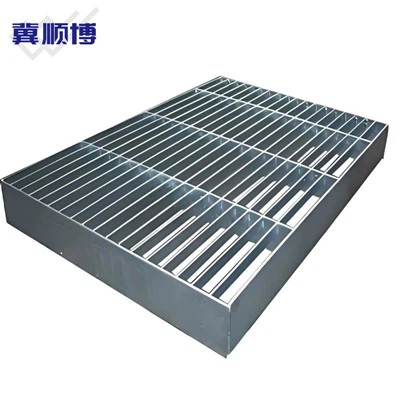
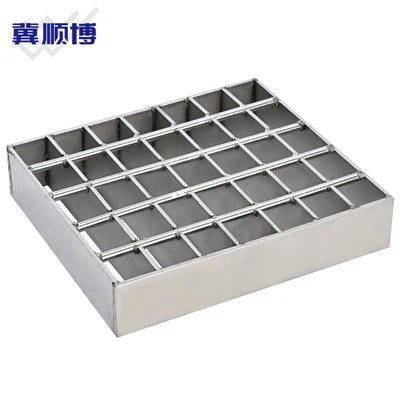
First off, let's talk about welded rectangular bar grating. This type of grating is made by welding the bearing bars and cross bars together at their intersections. The welding process creates a strong, permanent bond between the bars, which makes the grating very durable and able to withstand heavy loads. Welded grating is often used in industrial applications, such as factories, warehouses, and construction sites, where it needs to support heavy equipment and machinery.
One of the main advantages of welded rectangular bar grating is its strength. Because the bars are welded together, the grating can support a lot of weight without bending or breaking. This makes it a great choice for areas where there is a lot of foot traffic or where heavy equipment is being moved around. Additionally, welded grating is very easy to clean and maintain. You can simply hose it down or use a pressure washer to remove any dirt or debris.


Another advantage of welded rectangular bar grating is its versatility. It can be made in a variety of sizes and configurations to meet the specific needs of your project. For example, you can choose the spacing between the bearing bars and cross bars to control the amount of light and air that passes through the grating. You can also choose different surface treatments, such as galvanizing or powder coating, to protect the grating from corrosion and extend its lifespan.
Now, let's talk about riveted rectangular bar grating. This type of grating is made by using rivets to connect the bearing bars and cross bars together at their intersections. The rivets create a strong, mechanical connection between the bars, which makes the grating very stable and able to withstand moderate loads. Riveted grating is often used in applications where a more traditional or decorative look is desired, such as in architecture, landscaping, and interior design.
One of the main advantages of riveted rectangular bar grating is its aesthetic appeal. The rivets give the grating a unique, industrial look that can add character and style to any project. Additionally, riveted grating is very easy to install. You can simply drill holes in the bars and use rivets to connect them together. This makes it a great choice for DIY projects or for areas where access is limited.
Another advantage of riveted rectangular bar grating is its flexibility. Because the bars are connected by rivets, the grating can be easily cut and shaped to fit the specific needs of your project. This makes it a great choice for custom applications or for areas where a non-standard size or shape is required.
So, which type of rectangular bar grating is right for you? Well, it really depends on your specific needs and preferences. If you need a grating that can support heavy loads and is easy to clean and maintain, then welded rectangular bar grating is probably the best choice for you. On the other hand, if you're looking for a grating that has a more traditional or decorative look and is easy to install and customize, then riveted rectangular bar grating might be a better option.
At our company, we offer a wide range of welded and riveted rectangular bar grating products to meet the needs of our customers. Whether you're looking for Heavy Duty Steel Grating, Welded Steel Grating, or Galvanized Steel Bar Grating, we have the expertise and experience to help you find the right product for your project.
If you're interested in learning more about our rectangular bar grating products or if you have any questions or concerns, please don't hesitate to contact us. We'd be happy to discuss your needs and provide you with a free quote.
References:
- "Steel Grating Handbook" by the Steel Grating Institute
- "Welded and Riveted Joints: Design and Analysis" by John A. Wiles