
In the world of industrial and architectural construction, gratings play a crucial role in providing safety, support, and functionality. Two of the most commonly used types of gratings are open steel grating and fiberglass grating. As a supplier of open steel grating, I have witnessed firsthand the unique characteristics and applications of both materials. In this blog post, I will delve into the differences between open steel grating and fiberglass grating, exploring their properties, advantages, and disadvantages to help you make an informed decision for your next project.
Material Composition
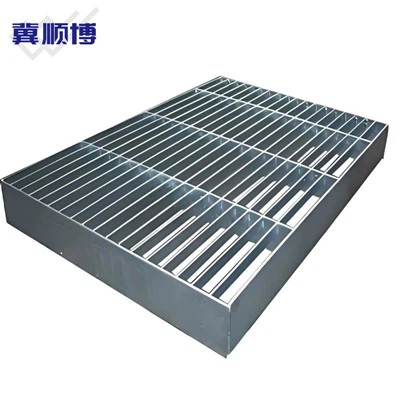
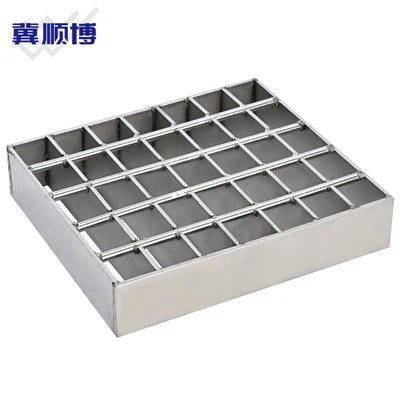
Open steel grating is primarily made of carbon steel or stainless steel. Carbon steel is known for its high strength and durability, making it suitable for heavy-duty applications. Stainless steel, on the other hand, offers excellent corrosion resistance, making it ideal for environments where exposure to moisture or chemicals is a concern. The steel bars are typically arranged in a perpendicular pattern and welded or riveted together to form a strong and stable structure.
Fiberglass grating, on the other hand, is composed of a combination of fiberglass strands and a resin matrix. The fiberglass strands provide strength and stiffness, while the resin matrix binds the strands together and protects them from environmental factors. Fiberglass grating is available in a variety of resin types, including polyester, vinyl ester, and epoxy, each offering different levels of chemical resistance and mechanical properties.
Strength and Load Capacity
One of the key differences between open steel grating and fiberglass grating lies in their strength and load capacity. Open steel grating is known for its high strength and load-bearing capabilities, making it suitable for heavy-duty applications such as industrial platforms, walkways, and bridges. The steel bars used in open steel grating are typically thicker and stronger than the fiberglass strands used in fiberglass grating, allowing it to withstand greater loads and impacts.
Fiberglass grating, on the other hand, has a lower load capacity compared to open steel grating. While it is still strong enough to support light to medium loads, it may not be suitable for applications that require high load-bearing capabilities. However, fiberglass grating has the advantage of being lightweight, which makes it easier to install and handle, especially in areas where weight is a concern.
Corrosion Resistance
Corrosion resistance is another important factor to consider when choosing between open steel grating and fiberglass grating. Open steel grating, especially carbon steel grating, is susceptible to corrosion when exposed to moisture, chemicals, or other corrosive substances. To protect against corrosion, open steel grating is often coated with a layer of paint or galvanized to provide a protective barrier. However, these coatings may wear off over time, requiring regular maintenance and reapplication.
Fiberglass grating, on the other hand, is highly resistant to corrosion and chemical attack. The resin matrix used in fiberglass grating provides a protective barrier that prevents the fiberglass strands from coming into contact with corrosive substances. This makes fiberglass grating an ideal choice for applications in harsh environments, such as chemical plants, wastewater treatment facilities, and offshore platforms.
Slip Resistance
Slip resistance is an important consideration for any grating used in areas where there is a risk of slipping, such as walkways, stairs, and platforms. Open steel grating typically has a smooth surface, which can be slippery when wet or covered with debris. To improve slip resistance, open steel grating can be provided with a serrated or embossed surface, which increases the friction between the grating and the user's feet.
Fiberglass grating, on the other hand, has a naturally slip-resistant surface due to the texture of the fiberglass strands. This makes fiberglass grating a safer choice for applications where slip resistance is a concern, such as wet areas, industrial facilities, and public spaces.
Cost
Cost is often a major factor in the decision-making process when choosing between open steel grating and fiberglass grating. Open steel grating is generally more cost-effective than fiberglass grating, especially for large-scale projects. The raw materials used in open steel grating are relatively inexpensive, and the manufacturing process is well-established, which helps to keep the cost down.
Fiberglass grating, on the other hand, is typically more expensive than open steel grating. The raw materials used in fiberglass grating, such as fiberglass strands and resin, are more costly than steel, and the manufacturing process is more complex, which contributes to the higher cost. However, the long-term cost of fiberglass grating may be lower due to its durability and low maintenance requirements.
Applications
Open steel grating and fiberglass grating are used in a wide range of applications, each with its own unique advantages and disadvantages. Open steel grating is commonly used in industrial applications, such as factories, warehouses, and power plants, where high strength and load-bearing capabilities are required. It is also used in architectural applications, such as balconies, staircases, and walkways, where its strength and durability make it a popular choice.
Fiberglass grating, on the other hand, is commonly used in applications where corrosion resistance and slip resistance are a concern, such as chemical plants, wastewater treatment facilities, and offshore platforms. It is also used in architectural applications, such as public spaces, commercial buildings, and residential properties, where its lightweight and aesthetic appeal make it a popular choice.
Conclusion
In conclusion, open steel grating and fiberglass grating are two different types of gratings with their own unique characteristics and applications. Open steel grating is known for its high strength, load-bearing capabilities, and cost-effectiveness, making it a popular choice for industrial and architectural applications. Fiberglass grating, on the other hand, is known for its corrosion resistance, slip resistance, and lightweight, making it a popular choice for applications in harsh environments and areas where safety is a concern.
When choosing between open steel grating and fiberglass grating, it is important to consider the specific requirements of your project, such as the load capacity, corrosion resistance, slip resistance, and cost. By understanding the differences between these two types of gratings, you can make an informed decision that meets your needs and budget.


If you are interested in learning more about open steel grating or would like to discuss your project requirements, please feel free to contact us. We are a leading supplier of open steel grating and can provide you with high-quality products and professional services.
References
- "Steel Grating Handbook," American Institute of Steel Construction.
- "Fiberglass Grating: A Guide to Selection and Installation," Composites Fabricators Association.