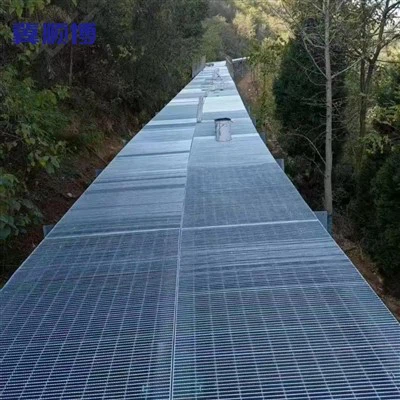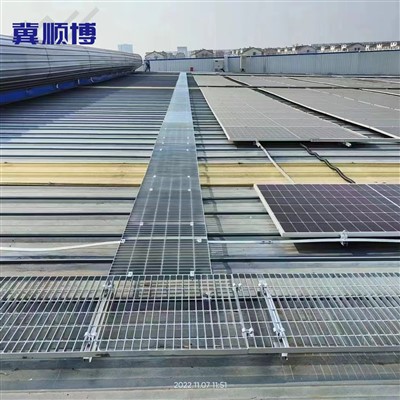

Serrated steel grating is a popular product in various industries, known for its anti - slip properties and durability. As a serrated steel grating supplier, I am acutely aware of the environmental impacts associated with its production. In this blog, I will delve into the key environmental aspects of serrated steel grating production, including raw material extraction, manufacturing processes, and waste management.
Raw Material Extraction
The production of serrated steel grating begins with the extraction of raw materials, primarily iron ore and coal. Iron ore is the main ingredient for steel production, and its mining has significant environmental consequences.


Mining of Iron Ore
Iron ore mining often involves large - scale open - pit or underground operations. Open - pit mining can lead to deforestation and habitat destruction, as large areas of land are cleared to access the ore deposits. This not only disrupts local ecosystems but also reduces biodiversity. For example, in many iron - rich regions, the native flora and fauna are displaced, and the delicate balance of the ecosystem is disturbed.
Moreover, the extraction process generates a large amount of waste rock, which is often dumped in nearby areas. This waste rock can contain heavy metals and other pollutants, which may leach into the soil and water over time, causing soil contamination and water pollution. Acid mine drainage is a common problem associated with iron ore mining, where acidic water is released from the mines, harming aquatic life and degrading water quality.
Coal Usage
Coal is used in the steel - making process as a fuel and a reducing agent. The extraction of coal also has a substantial environmental footprint. Coal mining can lead to land subsidence, which damages infrastructure and alters the landscape. Additionally, coal combustion releases large amounts of greenhouse gases, such as carbon dioxide and methane, contributing to global warming. The release of sulfur dioxide and nitrogen oxides from coal combustion also causes air pollution, leading to the formation of acid rain and smog.
Manufacturing Processes
The manufacturing of serrated steel grating involves several steps, each with its own environmental impacts.
Steelmaking
The basic oxygen furnace (BOF) and electric arc furnace (EAF) are the two main methods of steelmaking. The BOF process uses molten iron from a blast furnace and scrap steel, while the EAF process mainly uses scrap steel.
In the BOF process, large amounts of energy are consumed, mainly in the form of coal and electricity. The high - temperature reactions in the furnace also produce significant amounts of carbon dioxide and other pollutants. On the other hand, the EAF process is more energy - efficient and generates less carbon dioxide, especially when using a high proportion of scrap steel. However, the EAF still requires a considerable amount of electricity, which may come from fossil - fuel - based power plants, contributing to air pollution.
Forming and Finishing
After the steel is produced, it is formed into serrated steel grating through processes such as cutting, welding, and surface treatment. Cutting and welding operations generate noise and dust, which can be harmful to the health of workers and the surrounding environment. Surface treatment, such as galvanizing or painting, is often used to protect the steel from corrosion. Galvanizing involves dipping the steel in a bath of molten zinc, which requires a significant amount of energy and can release zinc fumes into the air. Painting can also release volatile organic compounds (VOCs), which contribute to air pollution and can have adverse health effects.
Waste Management
The production of serrated steel grating generates various types of waste, including scrap steel, slag, and waste chemicals.
Scrap Steel
Scrap steel is a valuable by - product of the production process. Recycling scrap steel reduces the demand for virgin iron ore and energy consumption. It can be re - melted and used in the production of new steel products, including serrated steel grating. By promoting the recycling of scrap steel, we can significantly reduce the environmental impact of steel production.
Slag
Slag is a by - product of the steelmaking process. It can be used in various applications, such as road construction and cement production. However, if not properly managed, slag can cause environmental problems. For example, some types of slag may contain heavy metals, which can leach into the soil and water if disposed of inappropriately.
Waste Chemicals
Surface treatment processes, such as galvanizing and painting, generate waste chemicals. These chemicals need to be properly treated and disposed of to prevent environmental contamination. For example, waste solvents from painting operations can be recycled or treated to remove harmful substances before being discharged.
Mitigation Strategies
As a serrated steel grating supplier, we are committed to minimizing the environmental impact of our production processes.
Sustainable Sourcing
We source our raw materials from suppliers who adhere to sustainable mining practices. This includes using technologies that reduce the environmental impact of mining, such as minimizing waste rock disposal and re - vegetating mined areas. We also encourage the use of recycled steel in our production process, which reduces the demand for virgin iron ore and energy consumption.
Energy Efficiency
We invest in energy - efficient technologies and equipment in our manufacturing facilities. For example, we use modern electric arc furnaces that are more energy - efficient than traditional blast furnaces. We also optimize our production processes to reduce energy consumption, such as by improving the insulation of our furnaces and using waste heat recovery systems.
Waste Management
We have a comprehensive waste management system in place to ensure that all waste generated during the production process is properly treated and recycled. We collaborate with recycling companies to recycle scrap steel and slag, and we have strict procedures for the disposal of waste chemicals to prevent environmental contamination.
Our Product Range
In addition to serrated steel grating, we also offer a wide range of related products, including Stainless Steel Gully Grating, Stainless Steel Open Grid Flooring, and Light Duty Grating. These products are also manufactured with environmental considerations in mind, using sustainable materials and energy - efficient processes.
Conclusion
The production of serrated steel grating has significant environmental impacts, from raw material extraction to waste management. However, by implementing sustainable practices, such as using recycled materials, improving energy efficiency, and proper waste management, we can minimize these impacts. As a serrated steel grating supplier, we are committed to providing high - quality products while also protecting the environment.
If you are interested in purchasing serrated steel grating or any of our other products, please feel free to contact us for a detailed discussion and a competitive quote. We look forward to working with you to meet your industrial needs in an environmentally responsible way.
References
- World Steel Association. (2023). Steel and the Environment.
- United Nations Environment Programme. (2023). Mining and the Environment.
- Environmental Protection Agency. (2023). Steel Manufacturing Industry.