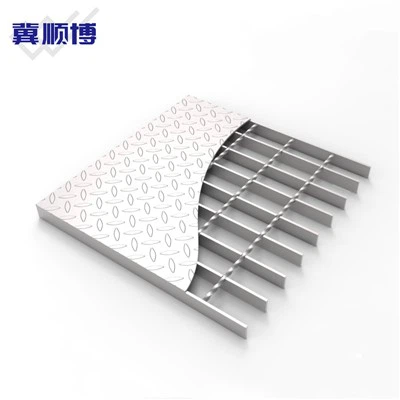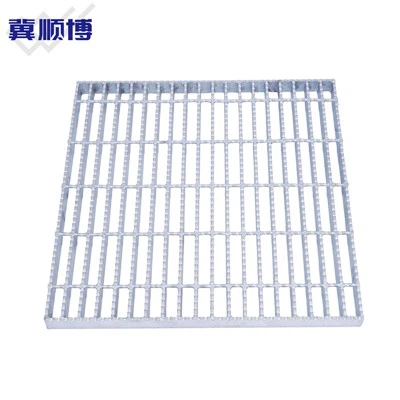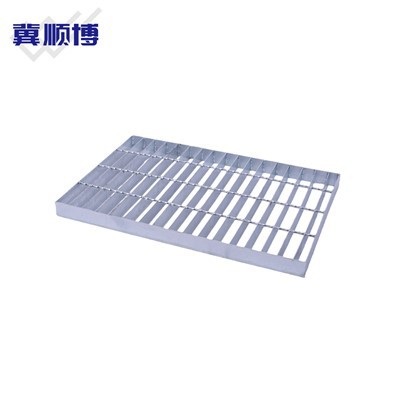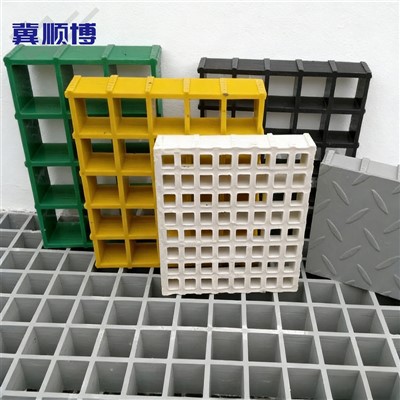

Hey there! I'm a supplier of Close Mesh Grating, and today I want to have an open and honest chat about the disadvantages of close mesh grating. While close mesh grating has its perks, it's not all sunshine and rainbows. Let's dive into some of the drawbacks.


1. Limited Drainage
One of the major issues with close mesh grating is its limited drainage capacity. The small openings in the close mesh design don't allow water to pass through as easily as other types of grating. This can be a big problem in areas where there's a lot of water flow, like industrial plants, car washes, or outdoor walkways during heavy rain.
For example, in a car wash, if the close mesh grating can't drain the water quickly, it can lead to pooling. This not only creates a slippery surface, which is a safety hazard for employees and customers, but it can also cause damage to the grating over time due to the constant exposure to water.
2. Higher Maintenance Requirements
Close mesh grating tends to trap debris more easily compared to other grating types. Leaves, dirt, and small particles can get stuck in the small openings, and if not cleaned regularly, it can lead to blockages. This not only affects the functionality of the grating but also its appearance.
Cleaning close mesh grating can be a real pain. You might need to use specialized tools to get rid of the trapped debris. And if you don't clean it often enough, the accumulated debris can cause corrosion, especially if the grating is made of metal. This means more time and money spent on maintenance.
3. Cost
Close mesh grating is generally more expensive than other types of grating. The manufacturing process for close mesh grating is more complex, which drives up the cost. The materials used in close mesh grating also tend to be of higher quality, which adds to the price.
If you're on a tight budget, the cost of close mesh grating might be a deal-breaker. You might have to look for alternative grating options like Serrated Carbon Steel Bar Grating or I Bar Grating, which are often more affordable.
4. Reduced Visibility
The close mesh design can limit visibility through the grating. This can be a problem in some applications where you need to see what's underneath the grating. For example, in a factory, if you need to monitor the flow of liquids or the movement of small parts under the grating, the close mesh can make it difficult to do so.
In addition, reduced visibility can also be a safety concern. If you can't see what's below the grating, you might not be aware of potential hazards, such as leaks or spills.
5. Limited Ventilation
Similar to the drainage issue, the close mesh design restricts air flow. This can be a problem in areas where ventilation is important, like in industrial kitchens or chemical processing plants. Poor ventilation can lead to the buildup of heat, moisture, and harmful gases, which can be dangerous for workers.
For instance, in a chemical processing plant, if the close mesh grating doesn't allow for proper ventilation, the concentration of toxic gases can increase, putting the health and safety of employees at risk.
6. Installation Challenges
Installing close mesh grating can be more difficult than other types of grating. The small openings and the precise alignment required can make the installation process more time-consuming and labor-intensive.
If the installation is not done correctly, it can lead to problems such as uneven surfaces or loose grating. This can not only affect the functionality of the grating but also pose a safety risk.
7. Weight
Close mesh grating is often heavier than other types of grating. This can be a problem if you're working on a project where weight is a concern, such as in a rooftop installation or a mobile structure.
The heavier weight can also make the installation process more difficult and require more equipment to handle. In addition, the increased weight can put more stress on the supporting structure, which might require additional reinforcement.
8. Limited Customization
Compared to other grating types, close mesh grating offers less flexibility in terms of customization. The close mesh design restricts the options for different shapes and sizes.
If you have specific requirements for your project, such as a unique shape or size, it might be more difficult to find a close mesh grating that meets your needs. You might have to look for alternative grating options like Welded Steel Grating, which can be more easily customized.
Despite these disadvantages, close mesh grating still has its place in many applications. It offers excellent strength and durability, and it can be a good choice for areas where small objects need to be contained.
If you're considering using close mesh grating for your project, it's important to weigh the pros and cons carefully. And if you have any questions or need more information, don't hesitate to reach out. We're here to help you make the best decision for your project. Whether you're looking for close mesh grating or other types of grating, we can provide you with high-quality products and professional advice. So, feel free to contact us to discuss your requirements and start the procurement process.
References
- Industry standards and guidelines for grating design and installation.
- Manufacturer's specifications for close mesh grating and related products.