
When it comes to park walkways, the choice of grating material plays a crucial role in determining the functionality, durability, and aesthetic appeal of the walkway. As a park walkway grating supplier, I have had the opportunity to work with a variety of materials, each with its own unique characteristics and advantages. In this blog post, I will explore the differences between different materials of park walkway grating to help you make an informed decision for your next project.
Steel Grating
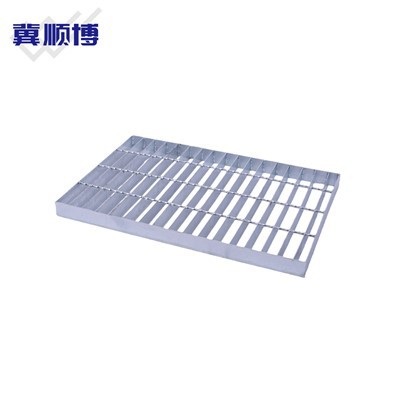
Steel grating is one of the most commonly used materials for park walkways due to its strength, durability, and versatility. It is made from carbon steel or stainless steel and is available in a variety of styles and sizes to meet different design requirements.
Light Duty Steel Grating
Light Duty Steel Grating is designed for applications where the load requirements are relatively low. It is typically used in areas with light foot traffic, such as pedestrian walkways, gardens, and parks. Light duty steel grating is available in a variety of bar sizes and spacings, allowing for customization to meet specific design needs. It is also relatively lightweight, making it easy to install and transport.
Platform Steel Grating
Platform Steel Grating is designed for applications where the load requirements are higher. It is typically used in areas with heavy foot traffic, such as industrial platforms, bridges, and parking lots. Platform steel grating is available in a variety of bar sizes and spacings, allowing for customization to meet specific design needs. It is also more durable than light duty steel grating, making it suitable for long-term use in high-traffic areas.


Compound Steel Grating
Compound Steel Grating is a combination of steel grating and a non-slip surface, such as fiberglass or plastic. It is designed to provide a safe and slip-resistant surface for park walkways, especially in areas where there is a risk of slipping, such as near water features or in wet conditions. Compound steel grating is available in a variety of styles and sizes to meet different design requirements. It is also relatively easy to install and maintain, making it a popular choice for park walkways.
Fiberglass Grating
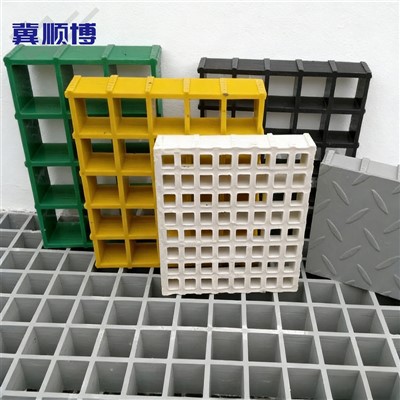
Fiberglass grating is another popular material for park walkways due to its lightweight, corrosion-resistant, and non-conductive properties. It is made from a combination of fiberglass and resin and is available in a variety of colors and styles to meet different design requirements.
Advantages of Fiberglass Grating
- Lightweight: Fiberglass grating is much lighter than steel grating, making it easier to install and transport.
- Corrosion-resistant: Fiberglass grating is resistant to corrosion, making it suitable for use in outdoor environments, especially in areas with high humidity or exposure to chemicals.
- Non-conductive: Fiberglass grating is non-conductive, making it a safe choice for use in areas where there is a risk of electrical shock, such as near electrical equipment or in wet conditions.
- Slip-resistant: Fiberglass grating can be manufactured with a non-slip surface, providing a safe and slip-resistant surface for park walkways.
Disadvantages of Fiberglass Grating
- Lower strength: Fiberglass grating has a lower strength than steel grating, making it less suitable for applications where the load requirements are high.
- Higher cost: Fiberglass grating is generally more expensive than steel grating, making it less cost-effective for large-scale projects.
Wood Grating
Wood grating is a traditional material for park walkways due to its natural beauty and warm appearance. It is made from a variety of woods, such as cedar, redwood, and teak, and is available in a variety of sizes and styles to meet different design requirements.
Advantages of Wood Grating
- Natural beauty: Wood grating has a natural beauty and warm appearance that can enhance the aesthetic appeal of park walkways.
- Easy to install: Wood grating is relatively easy to install, especially compared to steel or fiberglass grating.
- Renewable resource: Wood is a renewable resource, making it an environmentally friendly choice for park walkways.
Disadvantages of Wood Grating
- Limited durability: Wood grating has a limited lifespan compared to steel or fiberglass grating, especially in outdoor environments where it is exposed to the elements.
- High maintenance: Wood grating requires regular maintenance, such as staining and sealing, to prevent rot and decay.
- Slip hazard: Wood grating can become slippery when wet, making it a potential slip hazard for park visitors.
Conclusion
In conclusion, the choice of park walkway grating material depends on a variety of factors, including the load requirements, aesthetic preferences, budget, and environmental conditions. Steel grating is a popular choice for its strength, durability, and versatility, while fiberglass grating is a good option for its lightweight, corrosion-resistant, and non-conductive properties. Wood grating is a traditional choice for its natural beauty and warm appearance, but it requires more maintenance and has a limited lifespan.
As a park walkway grating supplier, I can help you choose the right material for your project based on your specific needs and requirements. Whether you are looking for a durable and long-lasting solution or a more aesthetically pleasing option, I have the expertise and experience to provide you with the best possible product.
If you are interested in learning more about our park walkway grating products or would like to discuss your project in more detail, please do not hesitate to contact us. We look forward to working with you to create a beautiful and functional park walkway that meets your needs and exceeds your expectations.
References
- "Steel Grating: A Comprehensive Guide." The Fabricator, https://www.thefabricator.com/article/grating/steel-grating-a-comprehensive-guide.
- "Fiberglass Grating: Benefits and Applications." CompositesWorld, https://www.compositesworld.com/articles/fiberglass-grating-benefits-and-applications.
- "Wood Grating: A Sustainable Option for Outdoor Walkways." GreenBuildingAdvisor, https://www.greenbuildingadvisor.com/article/wood-grating-a-sustainable-option-for-outdoor-walkways.