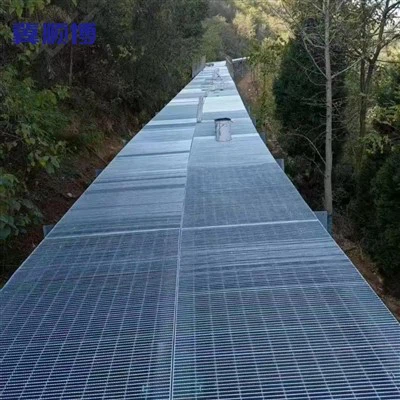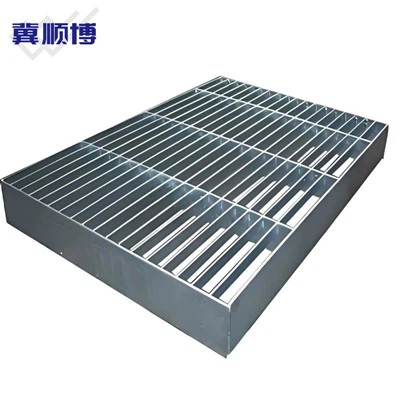

In industrial settings and various environments, areas with chemical pollution pose unique challenges to the materials used for flooring, walkways, and other infrastructure. Dense steel grating, a product we supply, has distinct performance characteristics in such chemically polluted areas. This blog post will explore how dense steel grating performs under the influence of chemical pollutants, its advantages, and considerations when using it in these challenging environments.
Understanding Dense Steel Grating
Dense steel grating is a type of grating with closely spaced bars, providing a higher load - bearing capacity and a more solid surface compared to some other types of gratings. It is commonly made from carbon steel, stainless steel, or other alloys. The choice of material depends on the specific requirements of the application, especially in areas with chemical pollution.
Our company offers a range of steel gratings, including Light Duty Grating, Press Welded Steel Grating, and Heavy Duty Stainless Steel Grating. Each type has its own features and is suitable for different scenarios.
Performance in Chemically Polluted Areas
Corrosion Resistance
One of the most critical factors in chemically polluted areas is corrosion resistance. Different chemicals can cause various forms of corrosion, such as uniform corrosion, pitting corrosion, and stress - corrosion cracking.
- Stainless Steel Dense Grating: Stainless steel is a popular choice for dense steel grating in chemically polluted areas. It contains chromium, which forms a passive oxide layer on the surface. This layer acts as a barrier, preventing the underlying metal from reacting with the chemical pollutants. For example, in areas where there are mild acidic or alkaline solutions, stainless steel dense grating can maintain its integrity for a long time. However, the performance of stainless steel depends on the grade. Higher - grade stainless steels, such as 316L, have better resistance to chloride - containing environments, which are common in chemical plants and coastal areas with chemical pollution.
- Carbon Steel with Coating: Carbon steel is more prone to corrosion compared to stainless steel. However, when coated with anti - corrosion materials such as epoxy, zinc, or hot - dip galvanizing, it can also perform well in chemically polluted areas. The coating acts as a physical barrier between the steel and the chemicals. For instance, hot - dip galvanized carbon steel dense grating has a thick zinc layer that provides sacrificial protection. If the coating is damaged, the zinc corrodes first, protecting the underlying carbon steel.
Chemical Compatibility
The performance of dense steel grating also depends on its chemical compatibility with the pollutants present in the area. Different chemicals react differently with steel.
- Acidic Environments: In areas with acidic pollutants, such as sulfuric acid or hydrochloric acid, stainless steel with high nickel and molybdenum content is more suitable. These elements enhance the steel's resistance to acid attack. Carbon steel, on the other hand, can be severely corroded by strong acids. If carbon steel is used, a proper acid - resistant coating must be applied.
- Alkaline Environments: Alkaline chemicals, like sodium hydroxide, can also cause corrosion. Stainless steel is generally more resistant to alkaline corrosion than carbon steel. However, in highly alkaline environments, some types of stainless steel may still experience corrosion. It is important to select the appropriate grade of stainless steel based on the specific alkaline concentration and temperature.
- Oxidizing and Reducing Agents: Oxidizing agents, such as chlorine and hydrogen peroxide, can cause pitting and stress - corrosion cracking in steel. Reducing agents, like hydrogen sulfide, can also have a negative impact on the steel's performance. Stainless steel with high chromium and molybdenum content is better able to withstand the effects of these agents.
Mechanical Performance
In addition to corrosion resistance and chemical compatibility, the mechanical performance of dense steel grating in chemically polluted areas is also important.
- Load - Bearing Capacity: Chemical pollution may not directly affect the load - bearing capacity of the grating, but corrosion can weaken the structure over time. For example, if the bars of the grating are corroded, their cross - sectional area decreases, reducing the overall load - bearing capacity. Therefore, regular inspection and maintenance are necessary to ensure the safety of the grating in areas with heavy loads.
- Impact Resistance: In industrial areas with chemical pollution, there may be a risk of impacts from equipment or falling objects. Dense steel grating, with its closely spaced bars, generally has good impact resistance. However, corrosion can make the steel more brittle, reducing its ability to withstand impacts.
Advantages of Dense Steel Grating in Chemically Polluted Areas
Durability
Dense steel grating, especially when made from high - quality materials and properly coated, can have a long service life in chemically polluted areas. This reduces the need for frequent replacements, saving costs in the long run.
Safety
The closely spaced bars of dense steel grating provide a stable and safe walking surface. In areas with chemical spills or slippery substances, the grating's open structure allows for drainage, reducing the risk of slips and falls.
Versatility
Dense steel grating can be customized to meet different requirements. It can be used in a variety of applications, such as flooring in chemical plants, walkways in refineries, and platforms in wastewater treatment facilities.
Considerations When Using Dense Steel Grating in Chemically Polluted Areas
Material Selection
As mentioned earlier, the choice of material is crucial. It is necessary to consider the type of chemicals present, their concentration, temperature, and other environmental factors. Consulting with a materials expert or a supplier like us can help in making the right decision.
Coating and Maintenance
If carbon steel is used, proper coating is essential. Regular inspection and maintenance of the coating are also required to ensure its effectiveness. For stainless steel, although it has better corrosion resistance, regular cleaning is still necessary to remove any chemical residues that may cause corrosion over time.
Installation
Proper installation is important to ensure the performance of dense steel grating. The grating should be securely fixed to prevent movement, which can lead to wear and tear. In chemically polluted areas, it is also necessary to ensure that the installation does not damage the coating or the material.
Conclusion
Dense steel grating can perform well in areas with chemical pollution if the right material is selected, proper coating and maintenance are carried out, and installation is done correctly. Our company, as a supplier of dense steel grating, is committed to providing high - quality products that meet the specific needs of customers in chemically polluted environments.


If you are looking for a reliable solution for your project in a chemically polluted area, we invite you to contact us for a detailed discussion about your requirements. Our team of experts will be happy to assist you in selecting the most suitable dense steel grating for your application.
References
- ASM Handbook Volume 13A: Corrosion: Fundamentals, Testing, and Protection. ASM International.
- Stainless Steel for Designers, Fabricators, and End - Users. The Nickel Institute.
- Corrosion Engineering: Principles and Practice. Pierre R. Roberge.