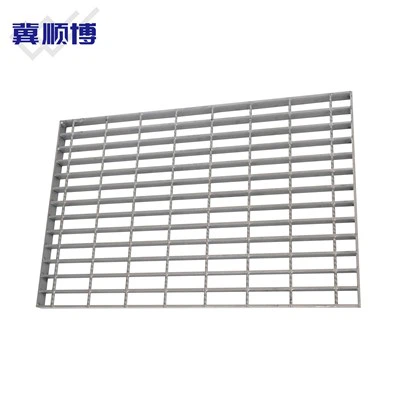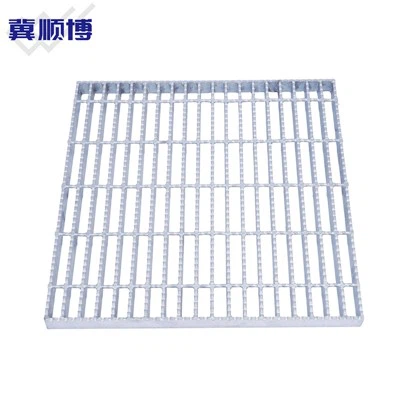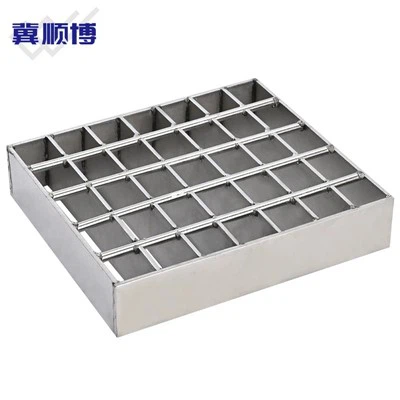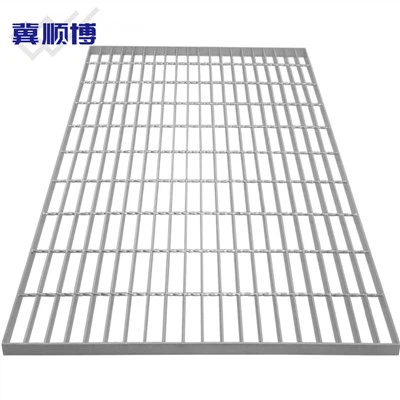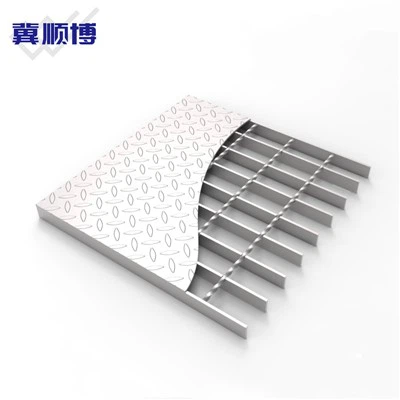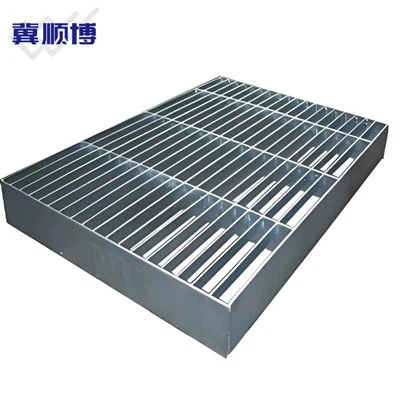
Preparation: Confirm the installation location and dimensions, clean the foundation surface, ensuring it is flat, dry, and free of debris.
Positioning and Marking: Determine the accurate position and dimensions of the welded steel grating using measuring and marking tools according to design requirements. Draw markings and boundary lines for reference during installation.
Cutting and Processing: Cut and process the welded steel grating as needed. Use appropriate equipment, such as an angle grinder or shearing machine, to cut and trim according to the markings and dimensional requirements.
Positioning Weld Points: Based on the dimensions and layout of the welded steel grating, use welding equipment to position and mark the welding points. Ensure the accurate position and spacing of the welding points to guarantee welding quality and structural stability.
Welding and Fixing: Fix the welded steel grating using welding equipment. Select an appropriate welding method, such as soldering or arc welding, based on the location and number of welding points. During welding, ensure the quality and strength of the weld so that the welded steel grating can withstand the expected load.
Finishing and Inspection: After welding, the weld seams are cleaned and trimmed to ensure a smooth, uniform, and aesthetically pleasing finish. Simultaneously, welding quality is inspected and tested, including weld strength and toughness. If necessary, heat treatment or anti-corrosion treatment can be applied.
Follow-up Work: After the welded steel grating is installed, cleaning and maintenance are carried out. According to design requirements, surface coatings, anti-corrosion treatments, and anti-slip treatments can be applied.