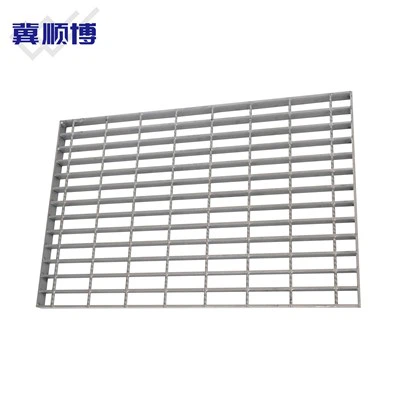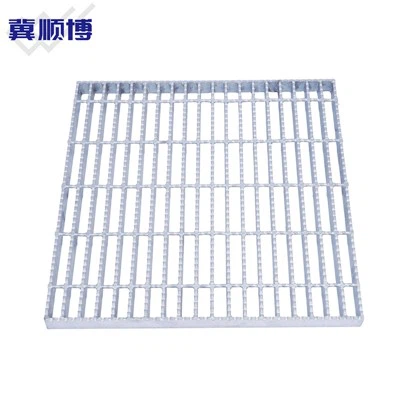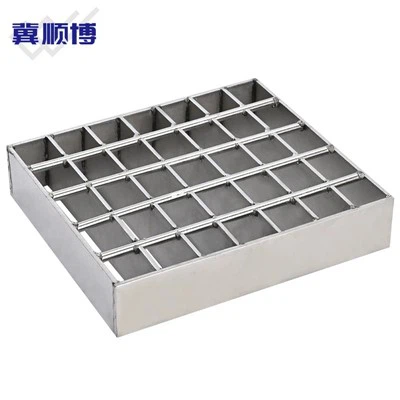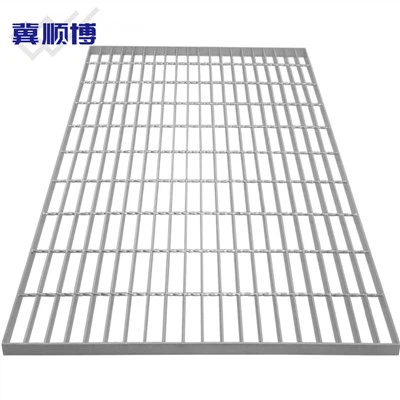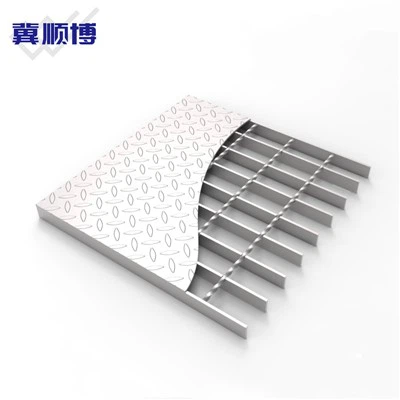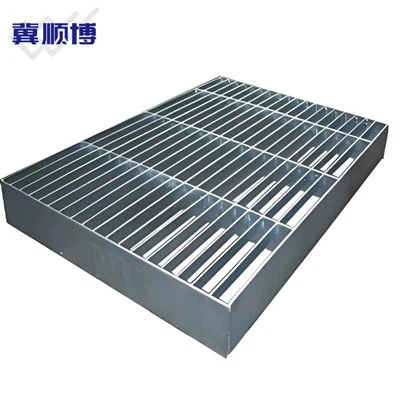
Welded steel grating is the process of forming a grating from steel using welding methods. The main manufacturing processes are as follows:
Material Preparation: First, prepare the steel and auxiliary materials needed for welding. The steel should meet design requirements and relevant standards, and be cleaned and treated to ensure the quality of the weld joint.
Layout and Cutting: Lay out and cut the steel according to design requirements and dimensions. Cutting can be done using mechanical cutting equipment (such as a shearing machine) or gas cutting.
Edge Processing: Process the edges of the cut steel to prepare for subsequent welding. Common processing methods include planing, chamfering, and leveling to ensure the quality and strength of the weld.
Welding Connection: Weld the steel together using appropriate welding methods (such as manual arc welding, gas shielded welding, automated wire welding, etc.). Welding process parameters (such as welding current, voltage, speed, etc.) should be adjusted according to the material and thickness of the steel to ensure the quality and reliability of the weld.
Inspection and Finishing: After welding, inspect and finish the weld. Common inspection methods include visual inspection, penetrant testing, and radiographic testing to ensure the weld is free of defects and cracks. If necessary, repairs and adjustments can be made to improve the quality of the welded joints.
Surface Treatment: After welding, the welded steel grating undergoes surface treatment, such as cleaning, rust removal, and spraying with anti-corrosion paint, to protect the surface from corrosion and oxidation.
Inspection and Quality Control: Finally, the welded steel grating undergoes comprehensive inspection and quality control to ensure it meets design requirements and relevant standards.
Please note that the specific processes and steps for welding steel grating may vary depending on the manufacturer, product requirements, and application scenario. In practice, adjustments and optimizations to the process flow are necessary based on specific circumstances and relevant requirements.