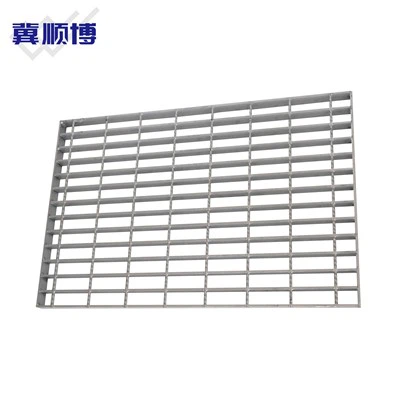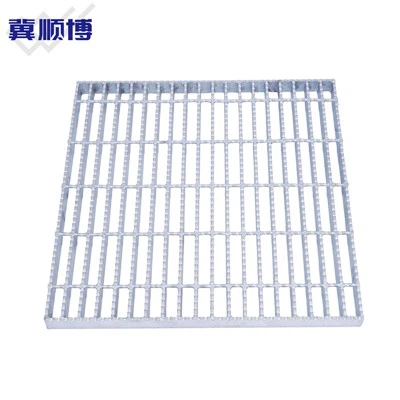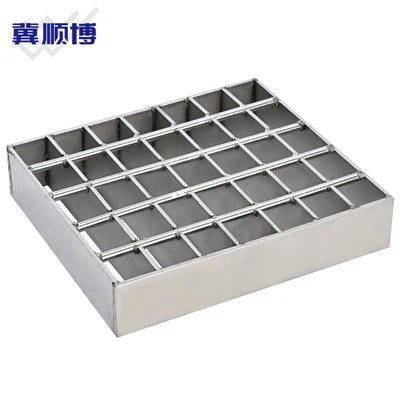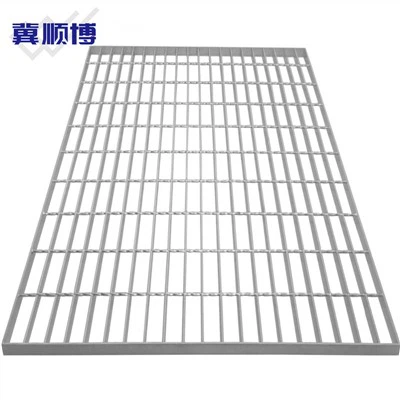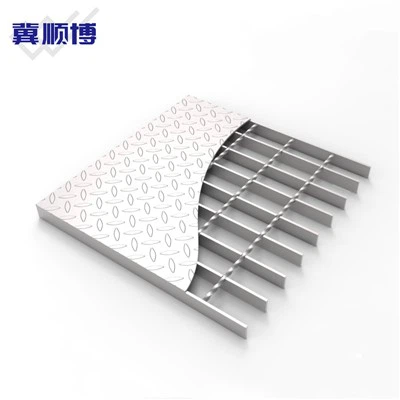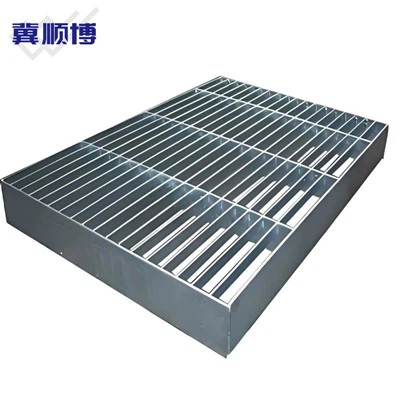
A 3mm line on a drawing can save much more than 3mm of trouble on site. With grating, the awkward jobs usually start when two panels meet too tightly, an opening has no finished edge, or the installer cannot tell which way the bearing bars should span. We recommend a 3-5mm gap between adjacent welded panels so their edges retain installation clearance.
We like that detail to appear on the drawing, not in an email sent after production has started. The same goes for cut-outs. If an opening needs banding, a hinge, a handle, or a removable piece, it is easier to build it into the panel from the beginning. Walking conditions matter too.
Plain bars are suitable for many dry areas, while serrated bearing bars can help where water or oil may be present. Toe plates and fixing positions should be marked when the platform edge or support layout requires them. For galvanized steel grating, late drilling and cutting can break the zinc coating. We therefore ask for support lines, panel joints, openings, and access parts before hot-dip treatment.
On galvanized steel grating jobs, those small drawing notes give the factory a clearer panel plan and leave the installer with less measuring, trimming, and guessing at the site. It is a small step, but it pays back during fitting.