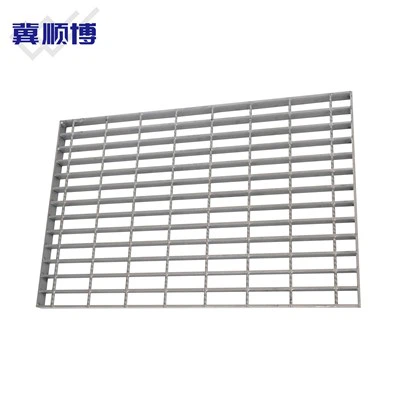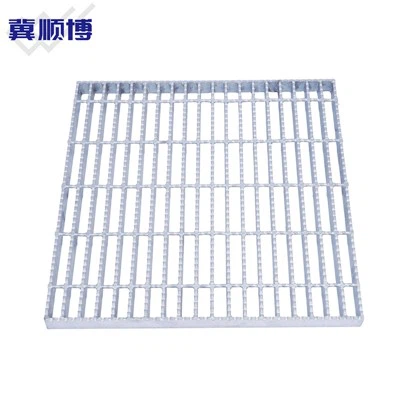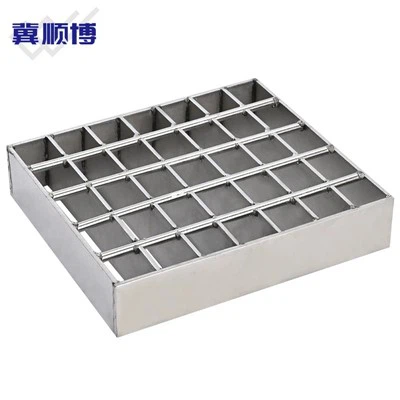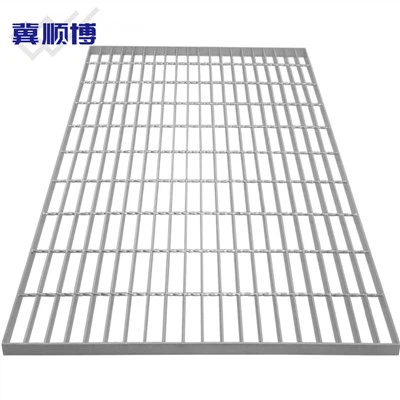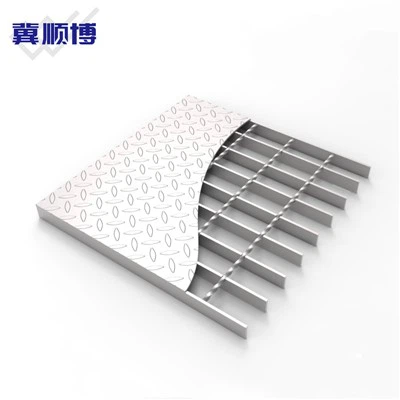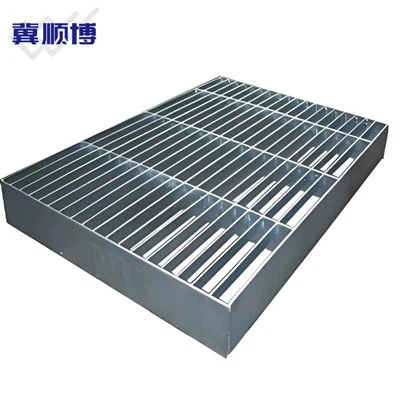
High Strength and Durability: Photovoltaic walkway panels are typically made of high-strength materials, such as high-quality metal alloys or high-strength plastics. These materials give the walkway panels excellent load-bearing capacity, capable of withstanding the pressure generated by workers walking on them, as well as the weight of small tools and equipment that may be placed on them. Simultaneously, they possess good wear and corrosion resistance, maintaining structural integrity and stability over long-term in complex outdoor environments, reducing safety hazards and maintenance costs caused by material damage.
Anti-slip Design: Considering the possibility of rain and dew at photovoltaic power station sites, making the walkway surface slippery, photovoltaic walkway panels generally incorporate a special anti-slip design to ensure worker safety. Common anti-slip methods include adding anti-slip textures to the surface, which increase friction between the soles of shoes and the walkway surface, effectively reducing the probability of slips and falls. Some walkway panels also use special anti-slip coatings to further enhance anti-slip performance, ensuring worker safety even in harsh weather conditions.

Lightweight and Easy to Install
To facilitate on-site installation at photovoltaic power plants, photovoltaic walkway panels are designed with a focus on reducing their weight. The lightweight material not only makes transportation easier, reducing labor costs and intensity, but also allows for faster splicing and fixing during installation. This effectively shortens the construction cycle and improves efficiency for large-scale photovoltaic power plant construction. At the same time, the lightweight walkway panels do not place excessive additional burden on the photovoltaic support structure, contributing to the stable operation of the entire photovoltaic system.
High Weather Resistance
Photovoltaic power plants are mostly built in open outdoor areas, facing various complex climatic conditions such as high temperatures, low temperatures, strong winds, heavy rain, and ultraviolet radiation. Photovoltaic walkway panels need to possess extremely high weather resistance to adapt to these harsh environments. They should not deform or soften at high temperatures, nor crack at low temperatures, and should withstand strong winds and heavy rain. Furthermore, good UV resistance prevents the walkway panel surface from aging and fading due to long-term UV exposure, thus ensuring the long-term stability of its appearance and performance.
Electrical Insulation
Because photovoltaic power plants involve a large number of electrical devices and lines, photovoltaic walkways typically possess excellent electrical insulation properties to prevent electric shock accidents to workers during walkways. This characteristic effectively isolates the electrical connection between the human body and the ground, ensuring the personal safety of workers during routine maintenance and repair of photovoltaic power plants. Even in the event of abnormal conditions such as leakage from electrical equipment, the insulated walkways play a crucial protective role, reducing the risk of electric shock.