
Hey there! As a supplier of compound gratings, I'm super stoked to share with you how to fabricate a compound grating. It's a pretty cool process, and I'm gonna break it down for you step by step.
Understanding Compound Gratings
First off, let's talk about what a compound grating is. A compound grating is a type of grating that combines different elements or materials to achieve specific properties. It's often used in various industries like construction, manufacturing, and even in some high - tech applications.
Compound gratings can be made from different materials such as steel, aluminum, or even fiberglass. Each material has its own set of advantages. For example, steel is strong and durable, making it great for heavy - duty applications. Aluminum is lightweight and corrosion - resistant, which is perfect for outdoor or marine environments. Fiberglass is non - conductive and resistant to chemicals, so it's ideal for electrical or chemical processing areas.
Step 1: Designing the Grating
The first step in fabricating a compound grating is designing it. You need to figure out what the grating is going to be used for. Is it for a walkway, a drainage system, or something else? Based on the application, you'll determine the size, shape, and the pattern of the grating.
For instance, if it's for a walkway, you might want a pattern that provides good traction to prevent slips. If it's for a drainage system, you'll need a pattern that allows water to flow through easily. You can use computer - aided design (CAD) software to create a detailed design of the grating. This helps you visualize the final product and make any necessary adjustments before you start the fabrication process.
Step 2: Selecting the Materials
Once you have the design, it's time to choose the materials. As I mentioned earlier, steel is a popular choice for compound gratings. There are different types of steel gratings available, like Irregular Steel Grating and Dense Steel Grating.
Irregular steel gratings have a unique pattern that can add an aesthetic touch while still providing strength. Dense steel gratings, on the other hand, have a closer spacing between the bars, which can be useful for applications where you need more support or less open space.


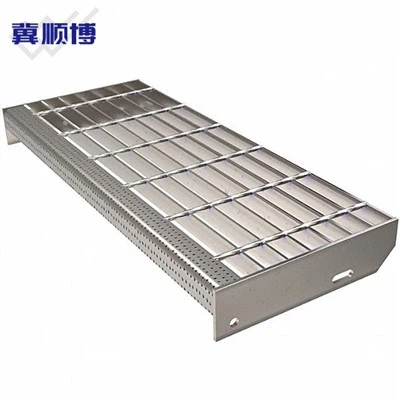
If you're looking for something for stairs, Steel Bar Grating Stair Treads are a great option. They are designed to provide a safe and sturdy surface for people to walk on.
Step 3: Cutting the Materials
After selecting the materials, the next step is cutting them to the right size. You can use different cutting methods depending on the material. For steel, you might use a plasma cutter or a saw. Plasma cutters are great because they can cut through thick steel quickly and accurately.
When cutting the materials, it's important to be precise. You need to make sure that the pieces are cut to the exact dimensions specified in the design. Any mistakes in cutting can lead to problems during the assembly process.
Step 4: Assembling the Grating
Once all the pieces are cut, it's time to assemble the grating. There are different ways to assemble a compound grating. One common method is welding. Welding is a strong and permanent way to join the pieces together. You need to make sure that the welds are strong and secure.
Another method is using bolts or rivets. This can be a good option if you need to be able to disassemble the grating later. When assembling, make sure that all the pieces fit together properly and that the grating is level and flat.
Step 5: Surface Treatment
After the grating is assembled, it's important to give it a surface treatment. This can help protect the grating from corrosion and make it look better. For steel gratings, you might apply a coating of paint or a galvanized finish. Galvanizing involves coating the steel with a layer of zinc, which provides excellent corrosion resistance.
Step 6: Quality Control
Before the compound grating is ready to be shipped, it's crucial to perform quality control checks. You need to inspect the grating for any defects, such as cracks, uneven surfaces, or weak welds. Make sure that the grating meets all the specifications and standards.
Why Choose Our Compound Gratings?
As a supplier, we take pride in offering high - quality compound gratings. Our team has years of experience in fabricating gratings, and we use the latest technology and techniques to ensure the best results. We offer a wide range of options in terms of materials, designs, and sizes to meet your specific needs.
If you're in the market for a compound grating, whether it's for a small project or a large - scale industrial application, we're here to help. Our gratings are not only durable and functional but also cost - effective. We understand that every customer has different requirements, and we're committed to providing customized solutions.
Contact Us for Your Grating Needs
If you're interested in our compound gratings or have any questions about the fabrication process, don't hesitate to reach out. We're always happy to have a chat and discuss how we can meet your grating needs. Whether you need a single grating or a large quantity for a project, we've got you covered.
References
- "Steel Grating Handbook" - A comprehensive guide on steel gratings and their applications.
- Industry standards and specifications for grating fabrication.