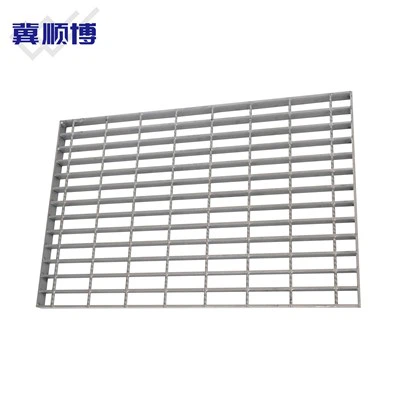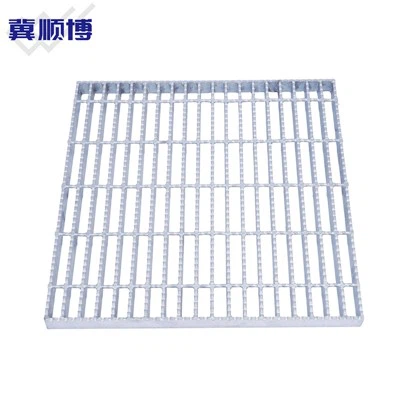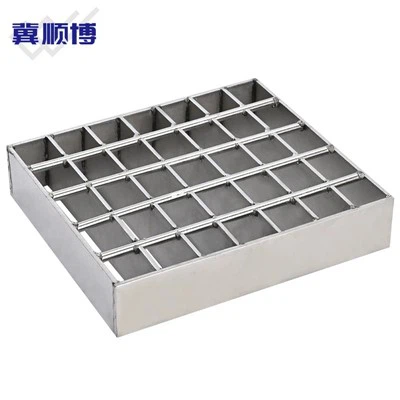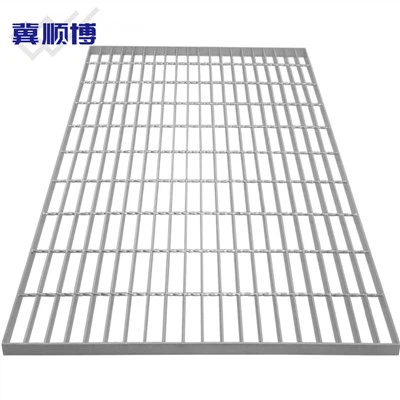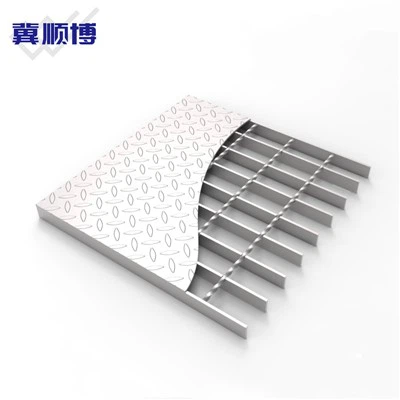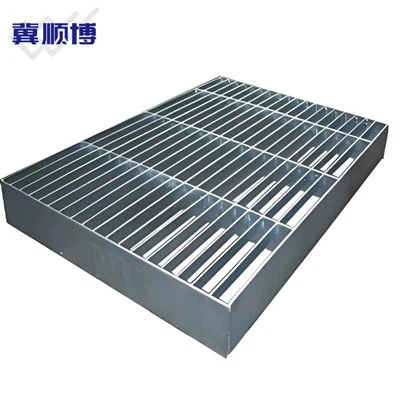
Fiberglass reinforced plastic (FRP) grating is a composite material made of glass fiber reinforced polyester resin. The technical principle is based on the microstructure of fiber-reinforced plastic: glass fibers provide high-strength support, while polyester resin imparts chemical corrosion resistance and insulation properties. Compared to traditional metal grating, its advantages include:
Corrosion Resistance: Polyester resin resists corrosive media such as acids, alkalis, and salt spray, extending its service life in chemical plants or car washes.
Lightweight and High-Strength: With a density approximately one-quarter that of steel, it possesses high load-bearing capacity, reducing installation burden.
Insulation: Non-conductive, suitable for electrical environments such as power plants, reducing safety risks.
Easy Maintenance: Smooth surface, not prone to dirt accumulation, easy to clean.
These properties stem from the composite effect in materials science; glass fibers are evenly distributed through the resin matrix, forming an impact-resistant and weather-resistant structure. In practical applications, such as car wash steel gratings that need to withstand water flow and detergent corrosion, FRP material effectively reduces rust problems.