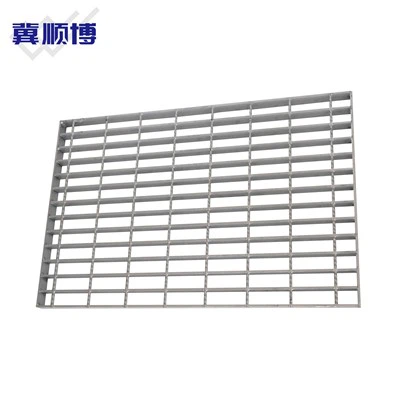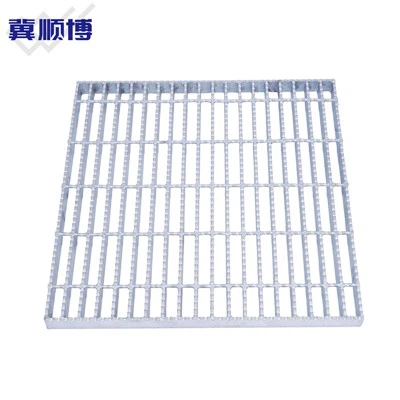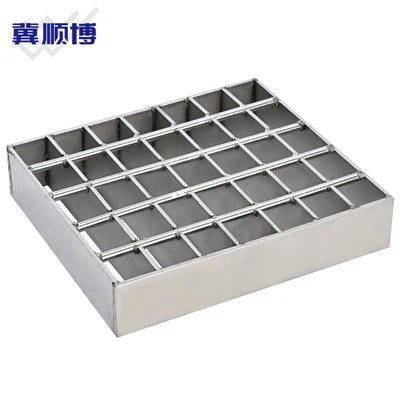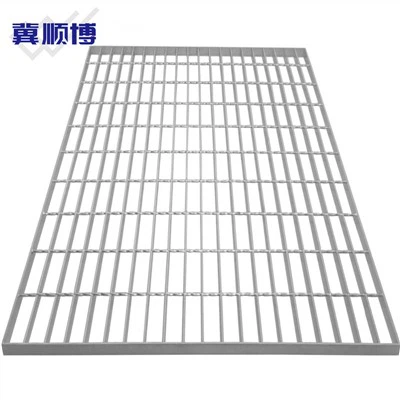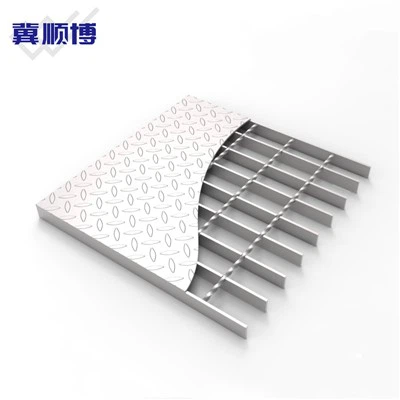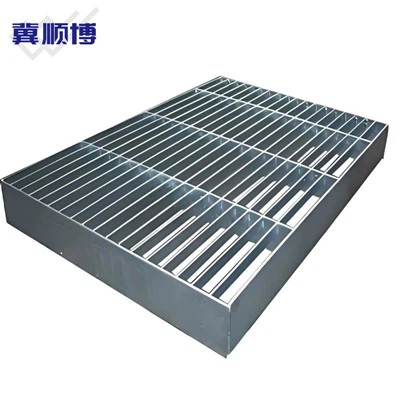
Custom steel grating is often treated as a simple size change, but the support span and operating load usually matter more than panel length alone. Heavy-duty conditions should be checked against actual load data before production. That approach is relevant when galvanized steel grating is used for plant floors, catwalks, trench covers, or equipment platforms. Two panels can have the same outside dimensions but need different bearing bars because the supports below them are arranged differently.
Openings, toe plates, removable sections, and edge bars also change fabrication details. Hebei Shunbo says its technical team supports selection, load checking, drawing optimization, and non-standard production. The factory also works with multiple grating types, including serrated, press-locked, stainless, and composite designs. For a project using galvanized steel grating, sending the support layout with the enquiry can prevent unnecessary back-and-forth.
It gives the manufacturer a clearer basis for bar direction, panel joints, and edge treatment, while helping the buyer compare quotations on the same structural assumptions instead of only comparing panel area. This preparation is useful when several grating zones share one package. The approved arrangement should show the support position for each panel break and the preparation needed around every opening. Those details give fabrication and installation teams a shared layout. A panel schedule also keeps standard rectangles separate from shaped access sections.