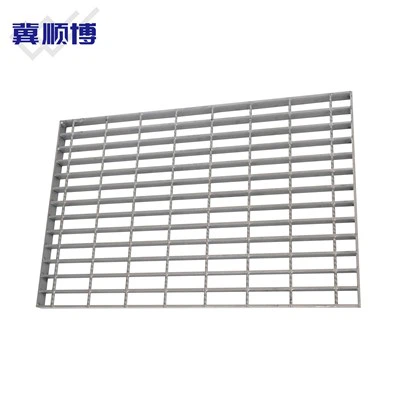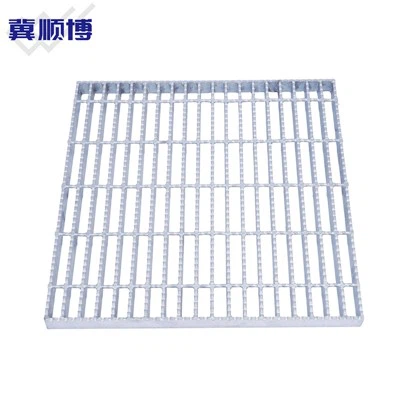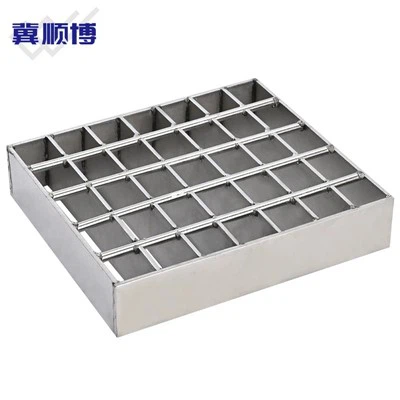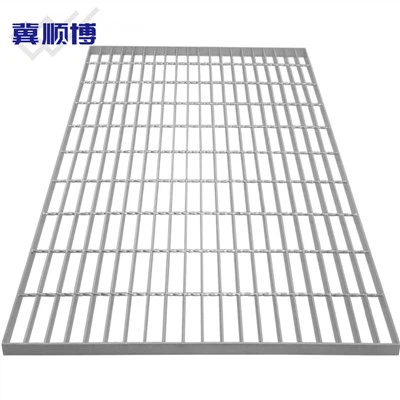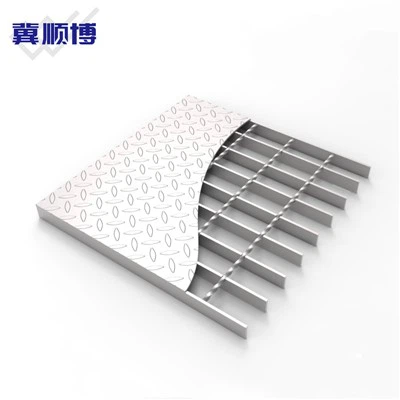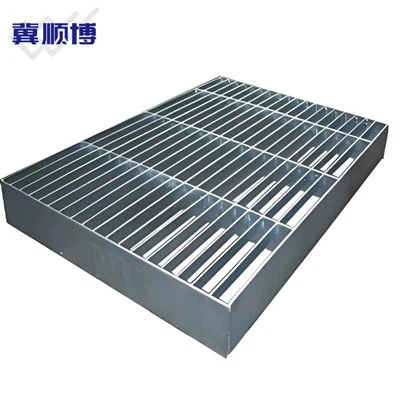
The following points should be noted for the proper use of welded steel grating:
Choose the appropriate material and specifications: Select the appropriate welded steel grating material and specifications based on the actual usage scenario and environmental conditions. Different materials and specifications have different strengths, corrosion resistance, and ventilation performance; ensure that the appropriate welded steel grating is selected to meet the requirements.
Accurate Measurement and Cutting: Before installing the welded steel grating, ensure accurate measurement to ensure that the grating accurately fits the required size and shape. Use appropriate tools for cutting, ensuring that the edges are flat and neat for subsequent welding and installation.
Welding and Fixing: Weld using appropriate welding methods according to the specific requirements of the welded steel grating. Ensure the weld is strong and the joints are reliable. Simultaneously, use appropriate fixing methods and connectors during installation to ensure the stability and safety of the welded steel grating.
Regular Cleaning and Maintenance: Regularly clean and maintain the welded steel grating, keeping its surface clean and tidy, preventing the accumulation of dust, debris, and other substances. Regularly inspect weld points and connections to ensure they are free of cracks, damage, or loosening, and perform any necessary repairs or replacements.
Safety Precautions: Exercise caution when using welded steel grating. Avoid wearing wet or unstable shoes when walking on welded steel grating to prevent slipping and injury. Avoid stacking or storing heavy objects on welded steel grating to prevent deformation or breakage.
Comply with usage guidelines: Follow the usage guidelines for welded steel grating according to relevant local regulations and requirements. Ensure that welded steel grating is used within the correct operating and usage range, avoiding overloading or improper use to maintain its safety and stability.