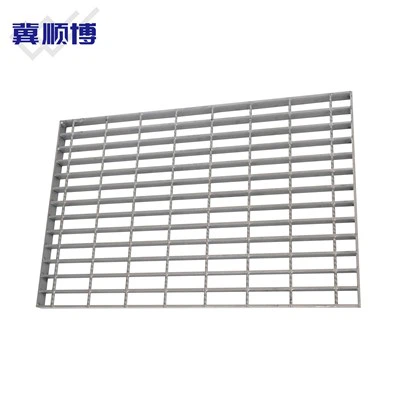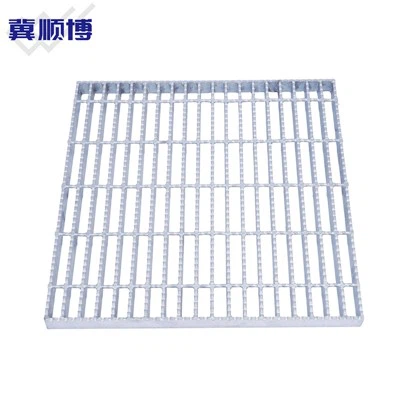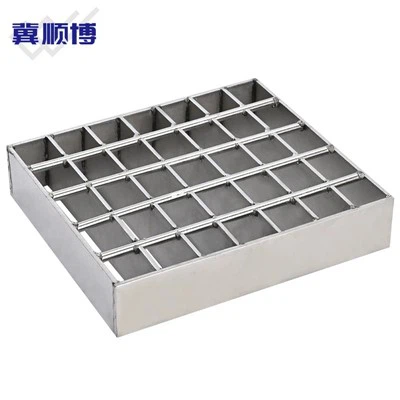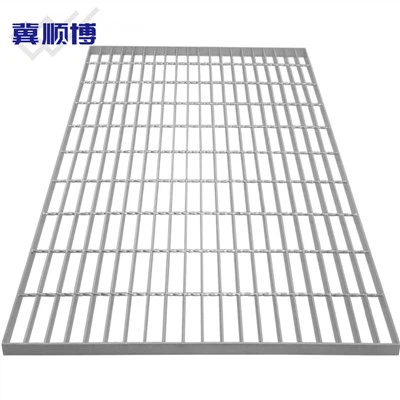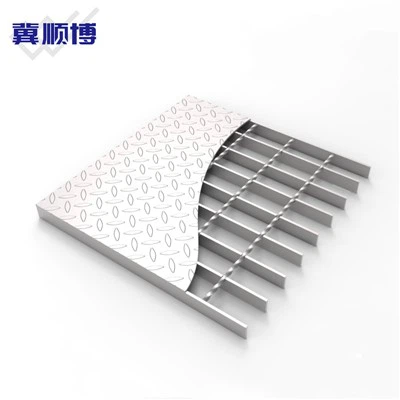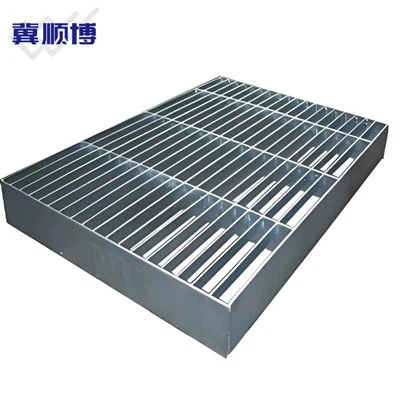
High Strength: Photovoltaic walkway panels are typically manufactured using special materials and processes, resulting in high strength. Taking common composite material walkway panels as an example, they can withstand the weight of workers and their tools and equipment, and are not easily deformed or damaged even under prolonged pressure. This characteristic ensures that the walkway panels can stably bear weight during routine maintenance and repair work in photovoltaic power plants, guaranteeing the safety of workers and reducing the risk of accidents caused by walkway panel damage.
Corrosion Resistance: Photovoltaic power plants are mostly built outdoors, and walkway panels are exposed to various natural conditions for extended periods, such as sunlight, rain, wind and sand erosion, and varying temperature changes. Therefore, good corrosion resistance is one of the important characteristics of photovoltaic walkway panels. Many walkway panels use corrosion-resistant materials, such as stainless steel or materials with special anti-corrosion treatments, which can effectively resist the corrosion of atmospheric oxygen, moisture, and chemicals, extending the service life of the walkway panels and reducing the cost and workload of frequent replacement due to corrosion.

Slip Resistance: Due to the special working environment of photovoltaic power plants, the anti-slip performance of the walkway panel surface is crucial. Especially in rainy or dewy conditions, if the walkway surface is too slippery, workers are prone to slipping and falling. High-quality photovoltaic walkways, through special surface treatments or designs, possess excellent anti-slip textures or coatings. This anti-slip property increases the friction between the soles of shoes and the walkway surface, ensuring workers maintain stability while walking and reducing the probability of slipping accidents in both normal and inclement weather conditions.
Insulation: Photovoltaic power plants contain numerous electrical devices with varying voltages and currents. Photovoltaic walkways need to have good insulation properties to prevent workers from being electrocuted while walking. Walkways made with insulating materials can effectively isolate current, ensuring the safety of workers even near electrical equipment or in areas where they may come into contact with electrical wiring. This insulation characteristic is one of the key factors in ensuring the safe operation of photovoltaic power plants and the safety of workers' lives.
Lightweight: For the construction and maintenance of large-scale photovoltaic power plants, the lightweight nature of the walkways is also an important characteristic. Lighter walkways facilitate transportation, installation, and dismantling. Compared to traditional walkway slabs made of heavy materials, the new lightweight walkway slabs reduce transportation costs and minimize manpower and material consumption during installation. Furthermore, the lightweight design makes moving or replacing the slabs easier for later maintenance, improving work efficiency.