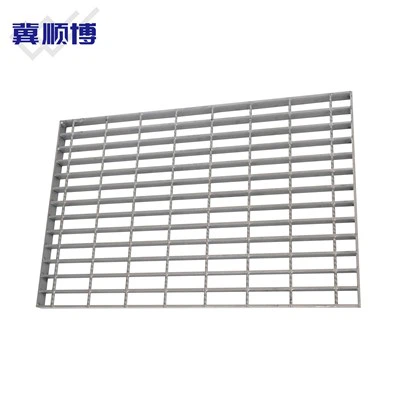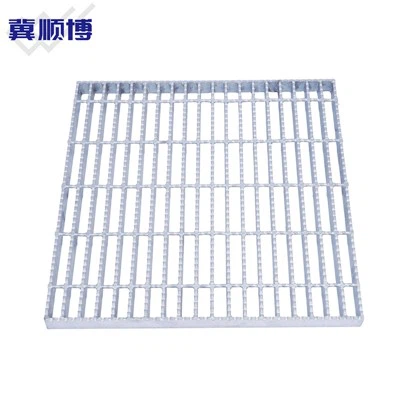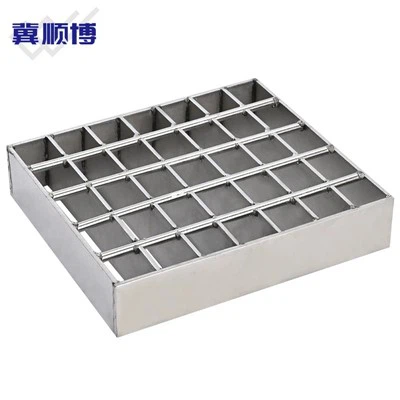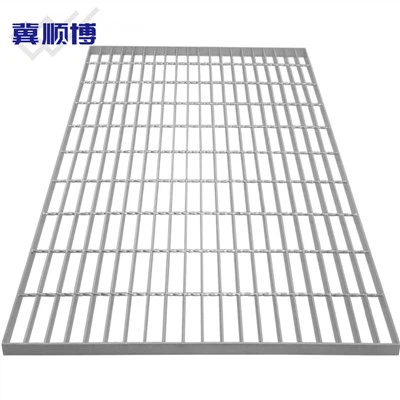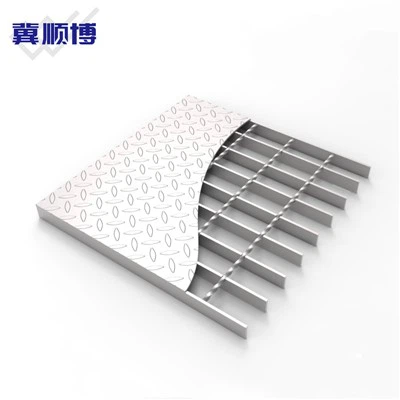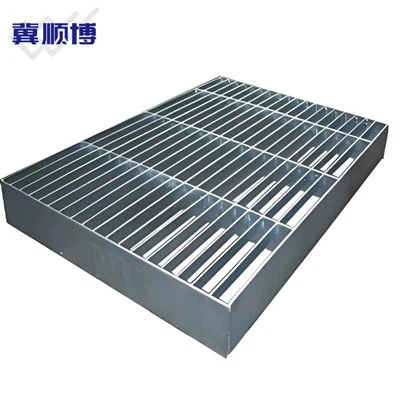
Heavy-duty steel grating is a grid-like sheet material made of high-strength steel, widely used in industrial platforms, docks, bridges, and other locations requiring high load-bearing capacity. Its production process involves several key steps, each significantly impacting the quality and performance of the final product.
1. Raw Material Preparation
The first step in producing heavy-duty steel grating is selecting high-quality steel as raw material. Low-carbon steel or stainless steel is typically used, with the choice of material depending on the application environment and load-bearing requirements. The thickness and strength of the steel must meet design requirements to ensure the finished product can withstand the expected load.
2. Cutting and Blanking
The selected steel is cut according to the design dimensions. This step is usually completed using a CNC cutting machine to ensure cutting accuracy and efficiency. The edges of the cut steel need to be ground to remove burrs and sharp edges, preparing for subsequent welding.
3. Welding and Forming
This is the core process in heavy-duty steel grating production. First, the horizontal flat steel bars are arranged neatly at a certain spacing. Then, the vertical flat steel bars are vertically welded onto the horizontal flat steel bars to form a grid structure. Welding processes primarily employ resistance welding or arc welding, requiring uniform and robust welds. For heavy-duty steel gratings intended for special applications...